To sustain leadership, we will aggressively develop products: Shailesh Chandra, MD, Tata Motors Passenger Vehicles and Tata passenger electric mobility | Auto & Travel News
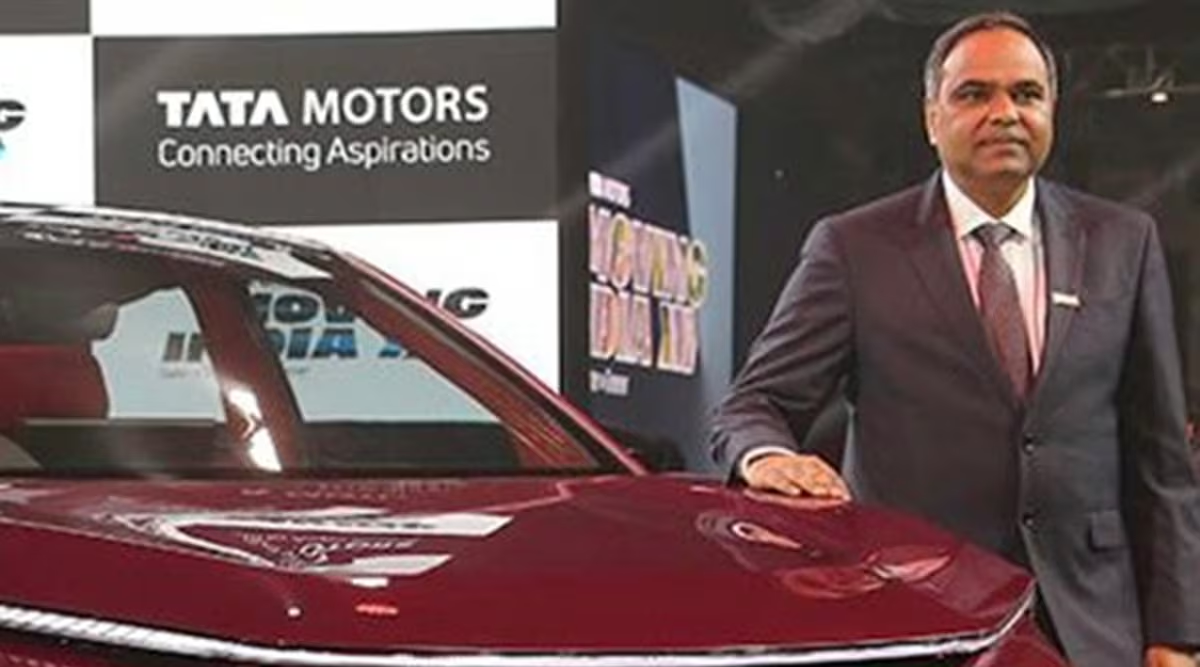
Though the Auto Expo 2023 witnessed showcase of EV concept by Maruti and a high end EV product by Hyundai, Tata Motors, the third largest passenger vehicle manufacturer in the country only raised the bar by showcasing its Harrier EV and Sierra EV. Shailesh Chandra, MD, Tata Motors Passenger Vehicles and Tata passenger electric mobility said that Tata Motors will continue to aggressively develop products to sustain its leadership position. He said that while the group took a big risk in 2018, it has only turned out to be advantageous for the company
When you entered in 2018 with your EV, you took a lot of risk, how do you see it now?

We took the risk but we were clear why we were taking that risk. When we see today, I think we underestimate the benefit of the risk and overestimate the downside of the risk. When you know that the destination of the technology of automotive is electric, the question is when you will start. The faster you start, the higher is the learning and experience.
In 2018 when we entered, who was thinking of electric, except that some policies were being announced— less policies, more vision. But we took that bet because we were seeing the mega trend and we saw the problem of pollution and energy security in the country.
We also saw it as an opportunity for nation building and there was a risk, but it was a risk worth taking. Today, when we sit and discuss, it seems like an advantage to us.
How do you plan to maintain your leadership position in EVs?
Now the ecosystem is good with this chicken and egg situation resolved and it is giving confidence to everyone. We knew the competition would come and we will of course lose market share, but it will also help other customers think of electric. In these four years we have had great learning through data collected with our cars doing 600 million kms. It helps you further enhance your range through the same battery. You are improving efficiency, you become more reliable and durable and that strengthens our value proposition.
Story continues below this ad
Acquiring does not help much as a car working in some other country won’t be the same in a different environment and so we have a unique advantage and we will use that. A big strategy for us to sustain leadership will be to aggressively develop products. We have shown three more EVs in this expo. We have committed 10 products in five years and they are not overlapping and they are on a wide spectrum of price, body styles and range. Therefore every product will bring me new customers.
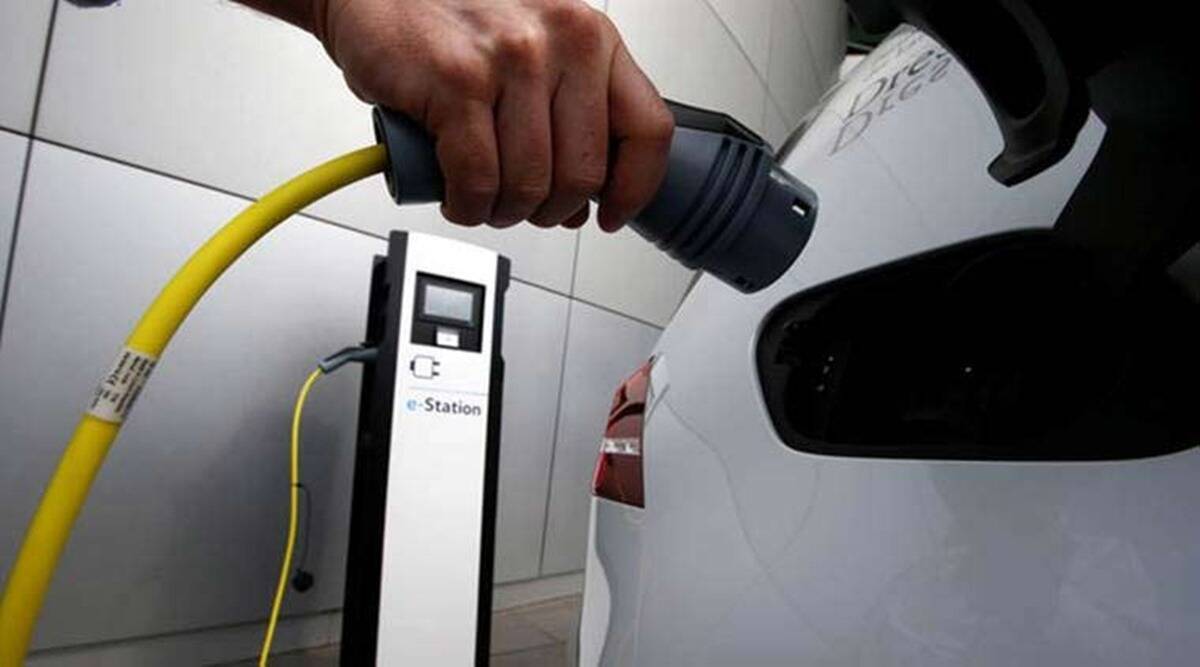
I have, also, over a period of time, expanded my presence. When I launched Nexon, we were in 20 cities, today we are in 90 cities and in the next six months we will be in 170 cities and it also means setting home and society charger infra with Tata Power.
Nobody can overnight create a portfolio of 10 products that I will have and nobody can have the width which I am developing. Also, nobody will have the same confidence of consumers which our products will have because of power of 60,000 customers referring to others. These are the ammunition we will have to sustain our leadership position. But we will have to work hard to retain that.
What have been some interesting findings over the last four years on EVs?
Story continues below this ad
The fact that people in states like UP are going for higher range car and those in Gujarat and Maharashtra are going for lower range cars has been a surprise for me. When we launched Nexon EV and its max version(which is more expensive), I expected that we would get good traction for the higher range in Maharashtra and Gujarat as people there can afford it but it has just been the other way around. It is because people in states with less charging infra want more surety.
An interesting fact has been that a lot of doctors buy it. I initially thought that it could be because they are more health and environment conscious but the fact is that they drive a lot in the city and have a predictable route and it leads to big savings for them. Also, it is being used by businessmen doing high local distance from home to the factory.
While a personal buyer does 40-50 km and fleet buyer does 150-160 Km, we have seen that a fleet guy looks for a lower range car and the personal buyer looks for a higher range car. If the personal buyer wants more convenience the fleet guy is looking to extract the most out of his investment.
While you are clearly going for BEV, is there a thought on fuel cell and flex fuel?
Story continues below this ad
Fuel cell is not very viable for cars and lighter vehicles but is very relevant for longer haulage CVs. We will have the tech readiness in the company and whenever it is relevant, we can always bring it. I have the technology, knowledge and experience and when the need comes I will do it. But, I don’t see the relevance of that technology in the state that it is now, for smaller products.
There seems to be a clear shift towards bigger cars. Won’t you be coming with products in the lower range?
If you see what has happened in the last ten years you will see that ten years back, the median price of the car was Rs 3.5 to 4 lakh, in the next five years it rose to Rs 6-6.5 lakh and today it is Rs 9-9.5 lakh. Today’s 60-65% of the customers are less than 35 years old and they are confident about their future, are optimistic and they do not want to compromise. The movement is towards what is the best thing they can consume and not what is their affordability. The affordability is not in lakhs but how much is the EMI going to be. So, if the gravitation is towards that, I have to move along with the trend of the market and that is what I am doing.
Median is a reflection of where the affordability is, maybe a new car in the entry segment has lost its value proposition to a good condition used car which is bigger.