CES 2026: What happened so far at the world’s biggest tech show | Technology News
5 min readLas VegasUpdated: Jan 13, 2026 01:50 PM IST
CES, the “Super Bowl of tech,” kicks off this week in Las Vegas, offering consumers a glimpse of new technologies and prototypes that could define 2026 and beyond. The annual showcase of consumer technology once again put artificial intelligence at the centre, powering advancements across TVs, home appliances, AI-first devices, computers, and other gadgets. The bigger picture, of course, is AI – and how device makers are using and deploying the technology in everyday products that consumers use. Here’s the latest from CES.
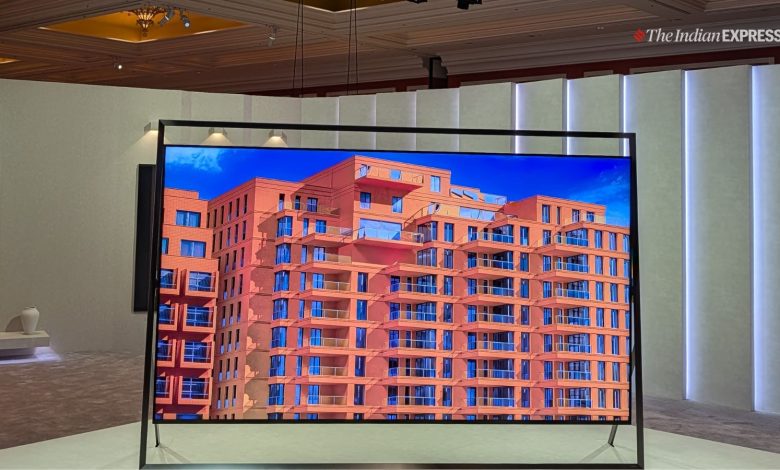
Samsung 130-inch Micro RGB TV
Samsung’s 130-inch Micro RGB TV hogged the spotlight at its The First Look CES event in Las Vegas, and rightly so. The TVs use a new LED technology to output highly accurate and vibrant images. Micro RGB TVs are everywhere at the world’s biggest tech show. The display sits on an integrated metal stand that also houses the speaker system and allows slight screen tilting, resulting in an immersive, window-like viewing experience. Samsung is positioning the product at the top of its television line-up, with a strong focus on picture performance, industrial design, and the integration of artificial intelligence-based features.

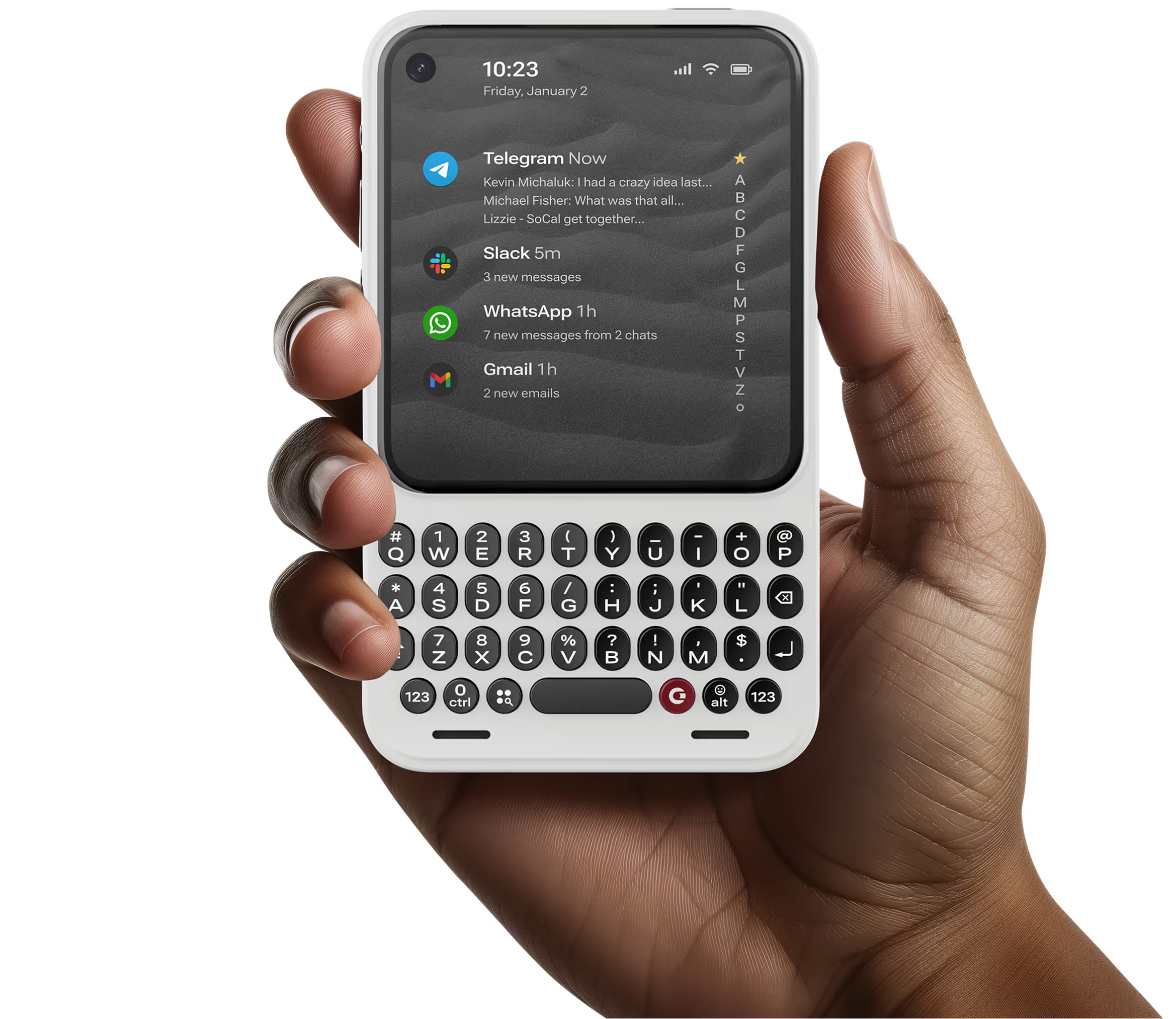 The Clicks Communicator is a BlackBerry for the modern world. (Image credit: Clicks)
Clicks Communicator
Remember BlackBerry? The brand may be dead for average consumers, and so is the physical keyboard on smartphones. However, a startup called Clicks is bringing back a phone with a keyboard – this time with a twist. The company is making a retro-styled device called the Communicator, priced at $499, which links to your main phone so you can receive emails and texts on it. To be clear, this isn’t a smartphone replacement but a companion device designed for communication and work. The Communicator runs Android 16, measures 131.5mm in height, and weighs 170 grams. Its keyboard is “touch-sensitive,” allowing users to scroll through messages without using the screen, and the device also supports voice recordings. Other features include a 3.5mm headphone jack, a physical airplane mode switch, expandable microSD storage, a physical SIM tray, and eSIM compatibility. It has a 50-megapixel rear camera and a 24-megapixel front camera.
 The Snapdragon X2 Elite chips will power affordable laptops. (Image credit: Qualcomm)
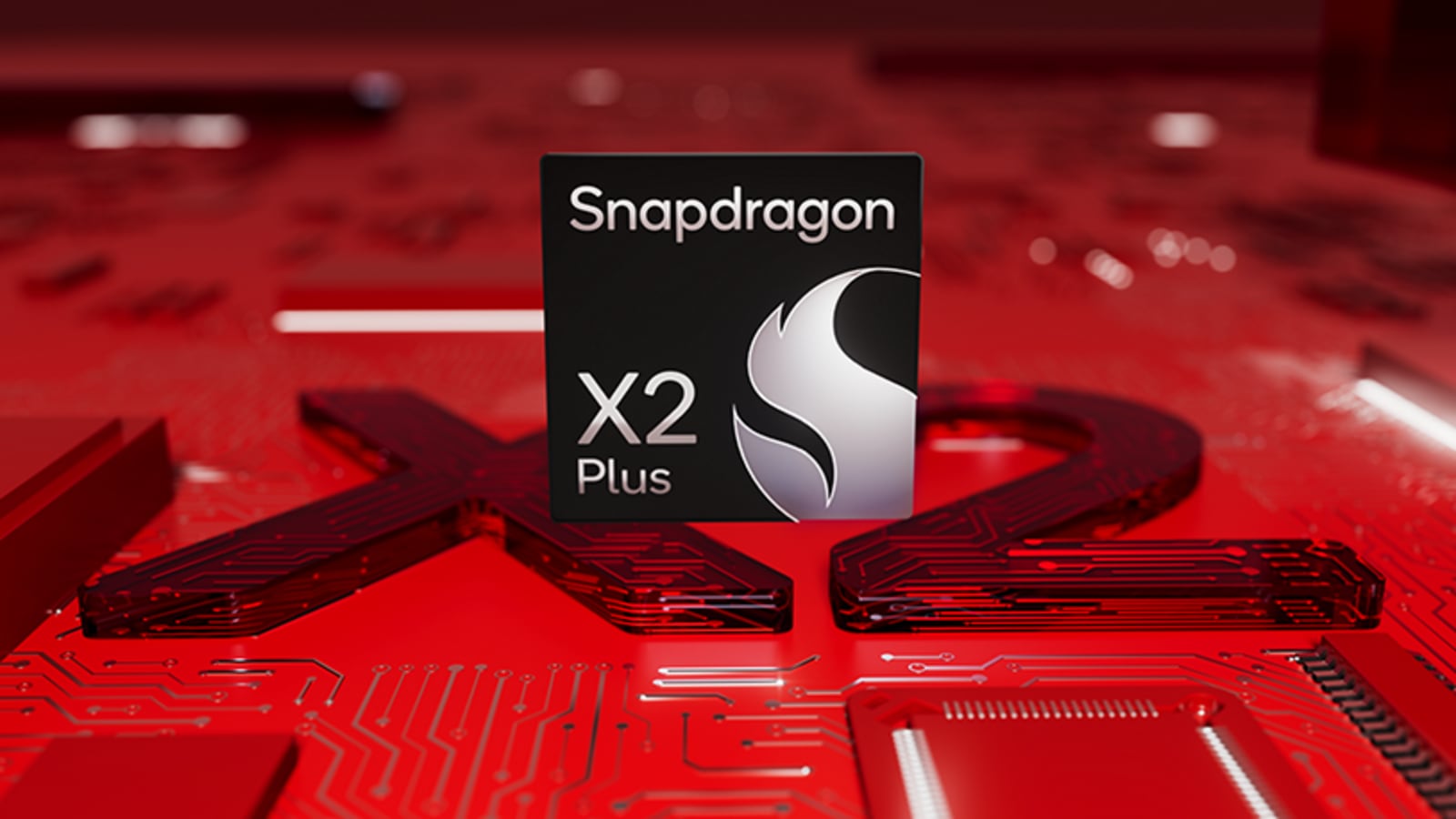
Qualcomm Snapdragon X2 Plus chip
Qualcomm used CES 2026 to introduce its new Snapdragon X2 Plus processors, which will arrive in laptops by the end of March, ahead of the flagship Snapdragon X2 Elite chips expected by June. The X2 Plus is aimed at more affordable laptops, potentially helping manufacturers lower prices by pairing the chip with modest memory and storage configurations. Like the higher-end X2 models, the X2 Plus is built on a 3nm process, an upgrade over the previous 4nm Snapdragon X generation. The smaller process allows for denser, potentially faster chips, though it can also increase heat, and puts Qualcomm on par with rivals such as Apple and AMD while Intel moves to its 2nm 18A process with Panther Lake.
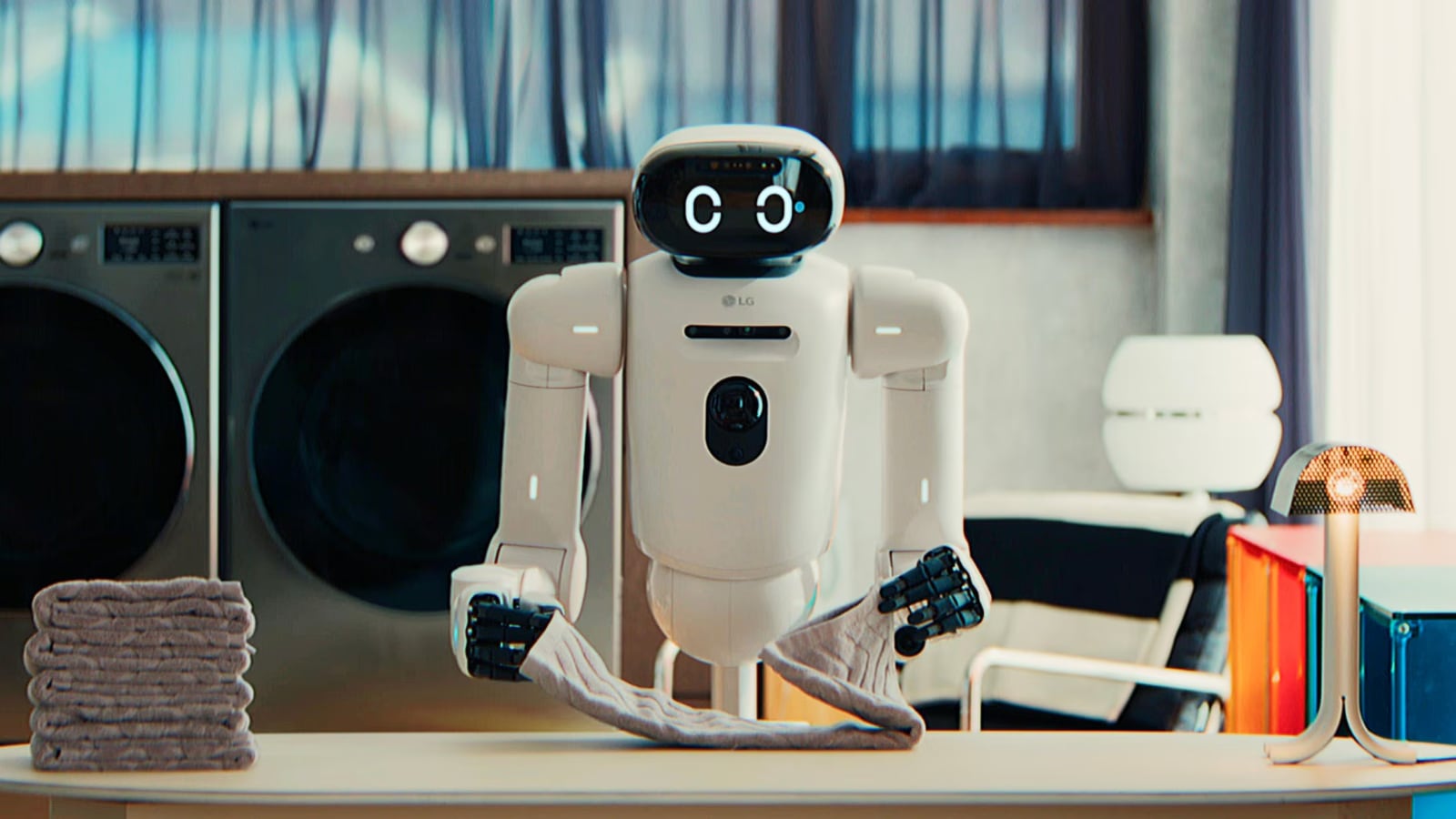 LG’s laundry-folding robot was a peak CES moment. (Image credit: LG)
LG CLOiD
LG showed its multitasking autonomous home robot, CLOiD, which many believe could kick start the home robot market in a big way.Unlike existing home robots focused on single tasks like cleaning, CLOiD uses AI and vision-based technology to perform more complex household activities, from fetching items in the kitchen to assisting with laundry. The robot is powered by a central AI control system housed in its head, CLOiD features a chipset, display, cameras, sensors, speakers, and voice-driven generative AI. This setup allows the robot to interact naturally with users, understand home environments and routines, and autonomously manage connected appliances.
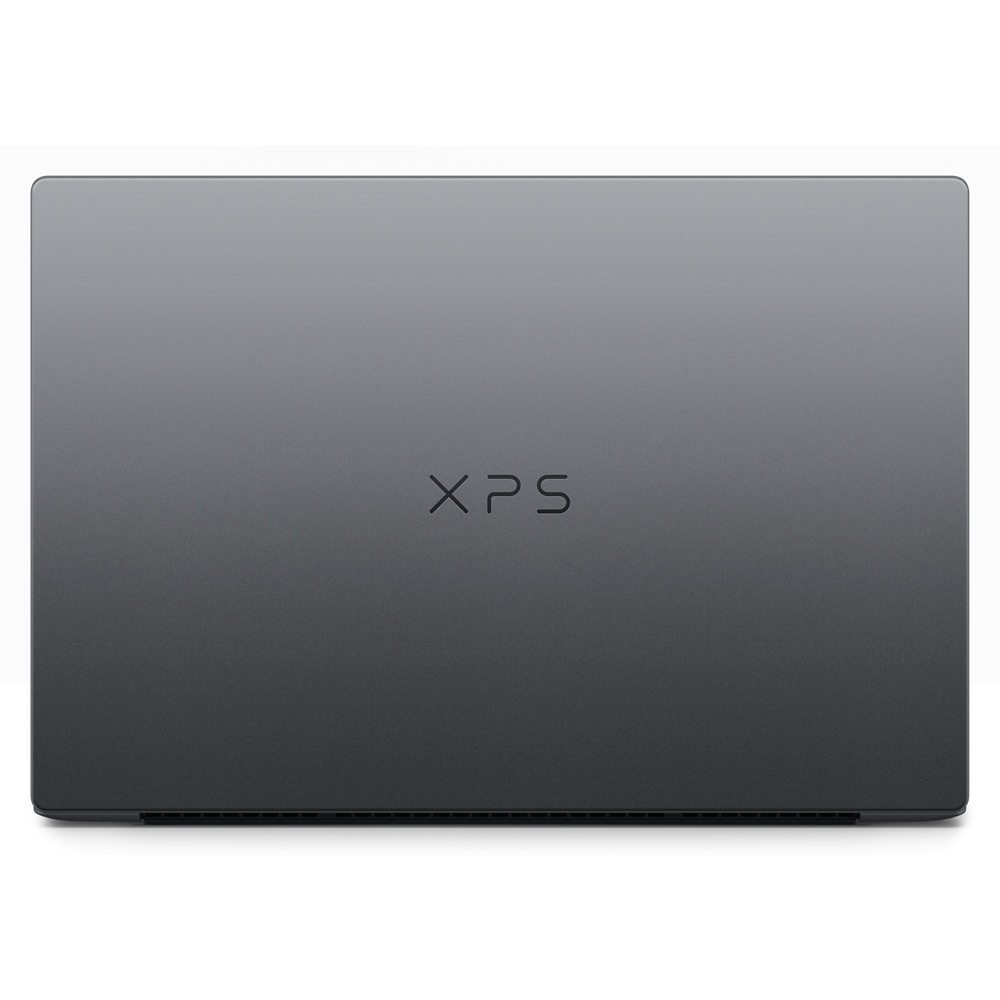 The Dell XPS 14 and XPS 16 are thinner and lighter than their predecessors. (Image credit: Dell)
Dell XPS branding and new laptops
Dell is reviving its popular XPS laptop brand after shelving it last year, following criticism that the company’s PC strategy had gone “off course.” The premium XPS lineup, long praised by reviewers, was dropped in favour of simpler names like Dell Pro and Dell Pro Max, a move that was widely mocked by consumers for echoing Apple’s branding. However, at CES 2026, Dell brought back the XPS brand name, with the XPS 14 and XPS16 laptops beinh showcased for the first time. A 13-inch XPS laptop will follow later this year. Both the XPS 14 and XPS 16 are modern and sleek laptops and feature latticeless keyboards. The laptops focus on advanced variable refresh rate displays, with IPS and OLED options that dynamically adjust to balance smoothness and battery life. The IPS panels can scale from 1Hz to 120Hz, something Dell claims is a first for IPS laptops, while the OLED displays range from 20Hz to 120Hz. Both laptops run on Intel’s latest Core Ultra Series 3 processors but rely solely on integrated Intel Arc graphics. While there’s no option for discrete GPUs, Dell says the updated Arc GPU with 12 Xe cores delivers up to 50 per cent faster graphics performance.

© IE Online Media Services Pvt Ltd