Low iron levels don’t always require supplements, say experts: ‘Simply adding more…’ | Food-wine News
3 min readNew DelhiDec 1, 2025 06:30 PM IST
When blood tests show low iron or haemoglobin, the first thing that comes to most people’s minds is supplements. However, experts caution that low iron levels don’t always mean your body needs more iron. It may actually signal an underlying problem that needs attention first. “Low iron can occur due to poor absorption, chronic infections, internal bleeding, heavy menstrual cycles, pregnancy, celiac disease, inflammatory bowel disease, or even excessive tea/coffee intake (which blocks iron absorption),” said Dr Manisha Arora, director, internal medicine, CK Birla Hospital®, Delhi.
Hence, doctors emphasise the importance of accurate testing before supplementing. Simply adding more iron without identifying the cause can mask symptoms and delay proper diagnosis.

Taking supplements without proper medical guidance can lead to constipation, stomach irritation, or dangerously high iron levels, which can harm the liver and heart, said Dr Manjusha Agarwal, senior consultant, internal medicine, Gleneagles Hospital, Parel, Mumbai.
“In some cases, excess iron intake may be harmful, leading to stomach irritation, constipation, and iron overload conditions like haemochromatosis,” said Dr Arora.
“The first step is always to have your iron levels checked, including hemoglobin, ferritin, transferrin saturation, and total iron-binding capacity. These tests help us understand whether the body truly lacks iron or if the iron present is not being used correctly,” said Dr Agarwal.
 Are you feeling tired lately? (Photo: Freepik)
Sometimes stool tests for internal bleeding are also recommended, said Dr Arora. “Treatment depends on the root cause—sometimes improving gut health, treating an infection, managing menstrual disorders, or dietary changes work better than supplements,” mentioned Dr Arora.
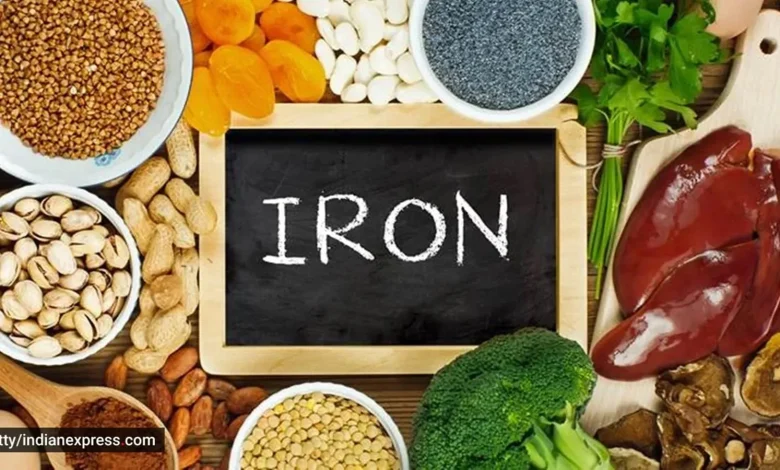
Based on the results, a doctor can decide whether supplements are needed or if diet and lifestyle changes are enough. “For many people, adding iron-rich foods such as spinach, beetroot, lentils, beans, nuts, whole grains, eggs, and lean meats can gradually restore healthy levels. Combining these foods with vitamin C sources like lemon, oranges, or tomatoes improves absorption. But supplements should only be started after proper medical advice. Self-medication often does more harm than good,” said Dr Agarwal.
Story continues below this ad
Meanwhile, tea and coffee should be avoided close to meals, cautioned Dr Arora.
DISCLAIMER: This article is based on information from the public domain and/or the experts we spoke to. Always consult your health practitioner before starting any routine.