
5,700% returns, 20,000+ crore streams, 31,000+ songs: Is TIPS Music an underrated cash machine? | Smart Stocks News
Think of Bollywood in the 90s and early 2000s — the golden era of Hindi film music. Whether it was Raja Hindustani, 1942: A Love Story, Rang De Basanti, or Urmila Matondkar’s electrifying Chamma Chamma in China Gate, these weren’t just chartbusters, they became cultural phenomena.
Fast forward to 2024, and these songs continue to dominate playlists, Instagram reels, and dance floors. The reason? Good music never fades — it just finds new platforms.
The Indian music industry, once heavily reliant on physical sales, is now 90% digital, with platforms like YouTube, Spotify, JioSaavn, and Apple Music fueling a 15% CAGR growth. While 185 million Indians stream music, only 7.5 million are paid subscribers, leaving a massive market for ad-driven revenue.
And TIPS Music has mastered the art of monetising nostalgia in India’s streaming revolution. With a 31,000+ song catalogue, it doesn’t need to chase expensive movie deals. Instead, it collects royalties on existing hits, creating a high-margin, asset-light cash machine.
The stock market has taken notice.
In the last five years, TIPS Music stock has surged 5,700%. The company’s revenue has grown at a 20% CAGR, with EBITDA margins consistently above 65%, among the highest in the media industry.
So, while others burn cash producing new content, TIPS is printing money from old hits. But with the stock already surging, is there still more music left in this rally?
Let’s dive in.
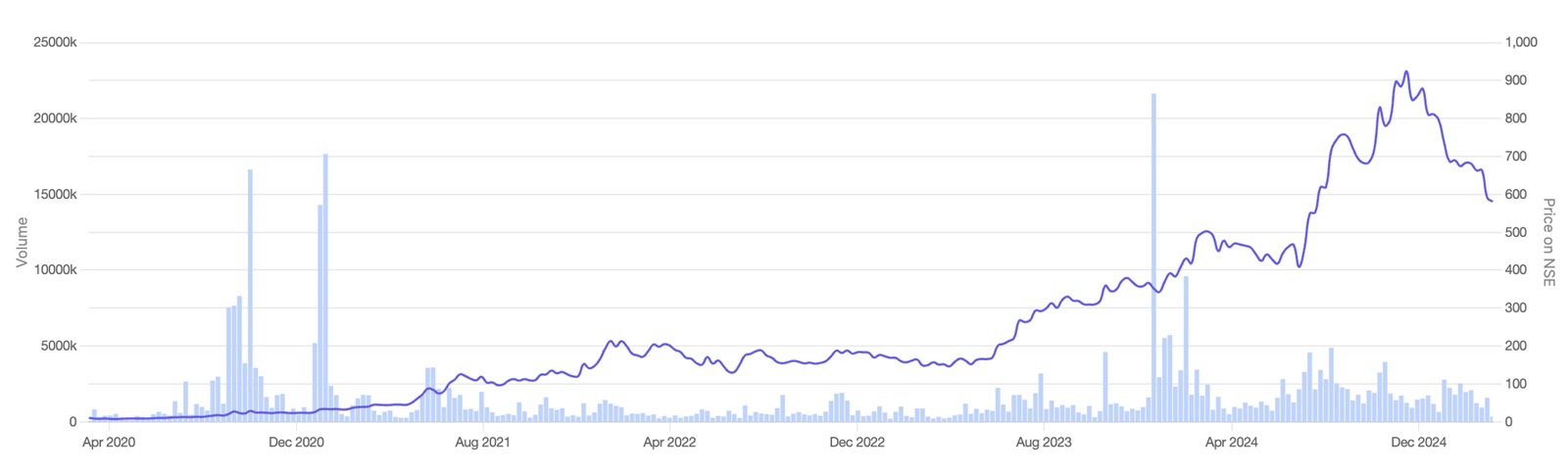 Figure 1: Stock price movement of TIPS Music Ltd. (Source: Screener.in)
TIPS Music’s business model: The power of an asset-light strategy
TIPS Music has built an extremely high-margin business model by focusing on licensing and digital monetisation rather than expensive content production.
Story continues below this ad
Unlike companies that must continuously invest in new content (such as T-Series, which produces Bollywood soundtracks, or Saregama, which funds new music projects and films), TIPS primarily earns revenue from its existing music catalog.
How the asset-light model works
TIPS’ primary assets are its 31,000+ song catalog, which includes Bollywood hits from as well as regional and independent music. Instead of investing heavily in new music rights, the company maximises revenue from past investments by licensing its content across various digital and non-digital platforms.
This means that once a song is recorded and acquired, it continues generating revenue for decades at almost no additional cost. Since music copyrights last 60 years, TIPS benefits from its historical acquisitions for an extended period. Even songs from the 1990s still generate significant streaming revenue today, proving that high-quality music remains in demand.
Revenue composition: Where the money comes from
TIPS earns revenue through three key streams:
1. Digital Streaming (75% of revenue)
Story continues below this ad
TIPS generates the majority of its revenue from streaming platforms, including YouTube, Spotify, JioSaavn, Apple Music, and Amazon Music. YouTube is the single biggest contributor, as TIPS has over 113 million subscribers across its YouTube channels, driving billions of views annually. The company benefits from two key streaming revenue models:
Ad-supported streaming (primary source) – India has 185 million music streamers, but only 4% pay for subscriptions, meaning most revenue comes from advertising on free-tier platforms. YouTube alone had over a trillion music streams in India in 2024, making it the largest revenue driver for music labels.
Paid streaming growth (emerging opportunity) – Platforms like Spotify and Apple Music have grown their paid subscriber base by 50%+ YoY, and the total paid market is expected to double to 15 million subscribers by 2026. This means higher per-stream payouts, increasing TIPS’ revenue potential.
TIPS has also directly partnered with TikTok, allowing its music to be used on the platform globally, opening another revenue stream outside India.
Story continues below this ad
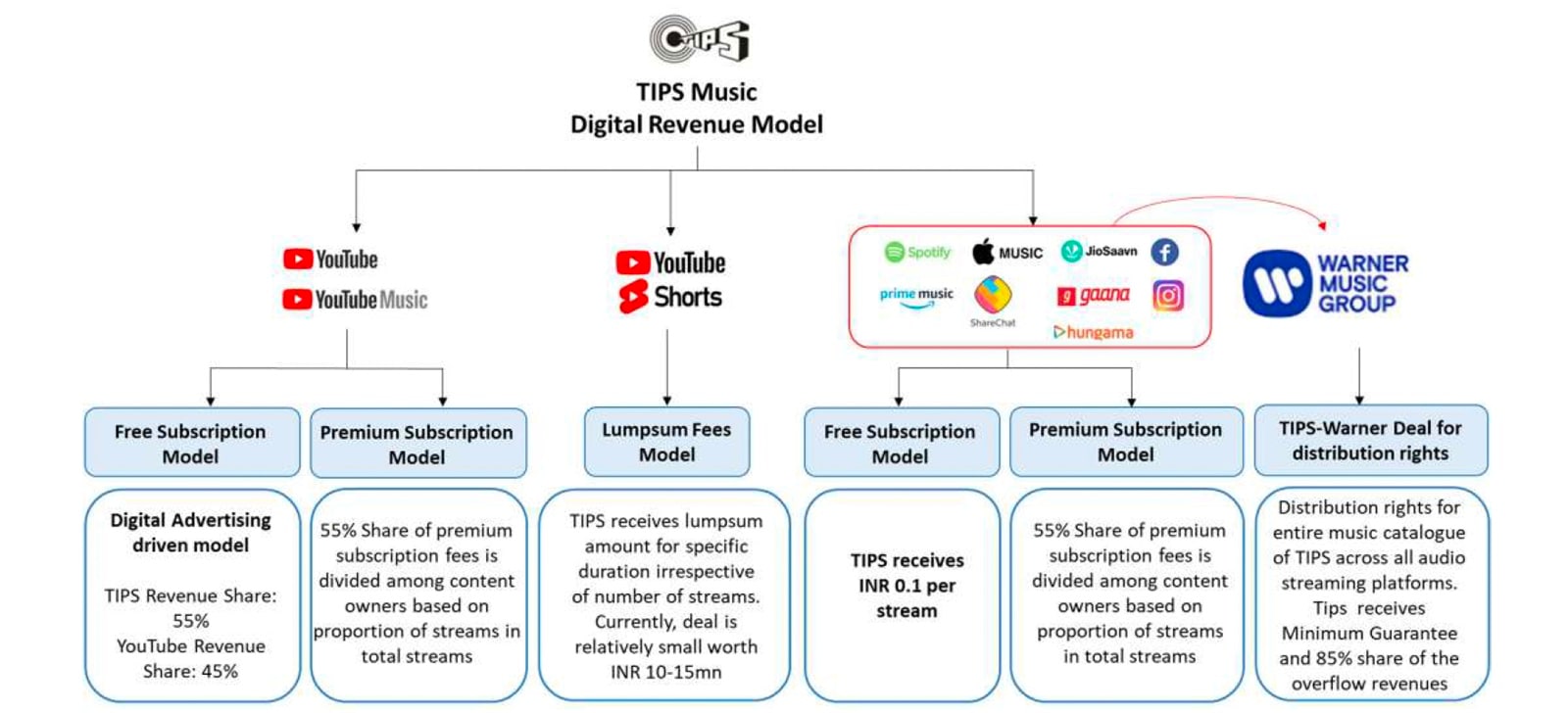 Figure 2: Business Model: Digital Revenue. (Source: Yes Securities)
2. Licensing and performance royalties (25% of revenue)
Beyond streaming, TIPS monetises its catalog through:
Sync licensing: Songs licensed for use in films, TV shows, advertisements, and video games generate one-time fees plus additional royalties.
Radio and public performance fees: Collected via PPL (Phonographic Performance Ltd) and IPRS (Indian Performing Rights Society), these ensure payments when TIPS’ songs are played on the radio, at public events, or in restaurants and malls.
Performance licensing has seen double-digit growth, as compliance among businesses using music has improved due to stricter regulations.
Story continues below this ad
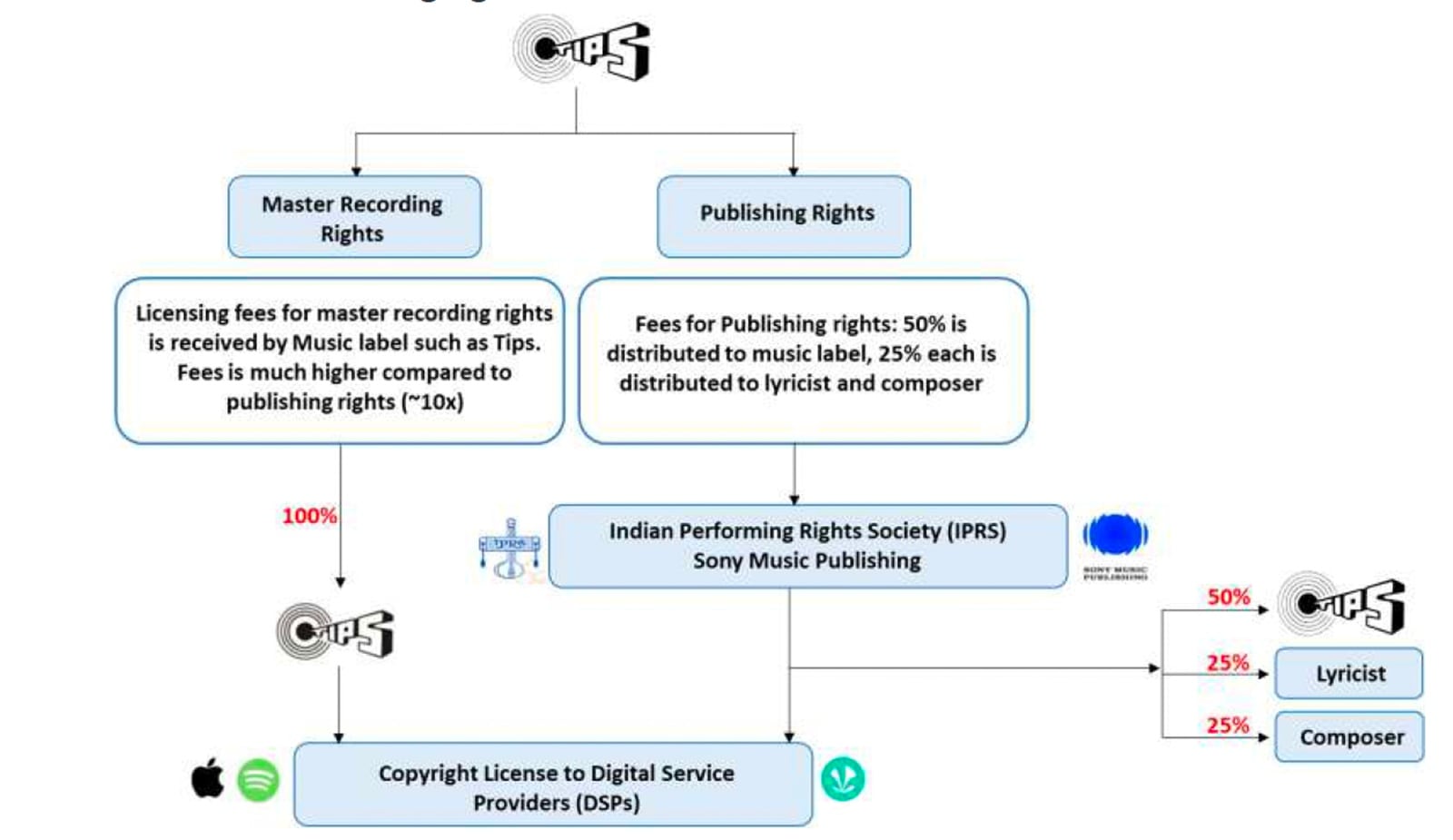 Figure 3: Business Model: Publishing Revenue. (Source: Yes Securities)
TIPS is more profitable than its competitors
One of the standout factors in TIPS Music’s financial strength is its ability to maintain exceptionally high EBITDA margins, consistently around 65%. This is nearly double that of its closest competitor, Saregama (~35%) and T-Series (~30%), despite these companies generating significantly higher revenue.
Let’s break this down.
1. Minimal content acquisition costs
TIPS does not chase high-cost music rights, unlike T-Series, which aggressively bids for Bollywood film soundtracks. TIPS acquires only a few selective music rights each year and ensures a strict 3-4 year payback period, preventing capital from getting locked in low-return assets.
Since 85% of its revenue comes from existing content, the company avoids the recurring costs of constant content acquisition, making its revenue stream highly profitable with minimal reinvestment needs.
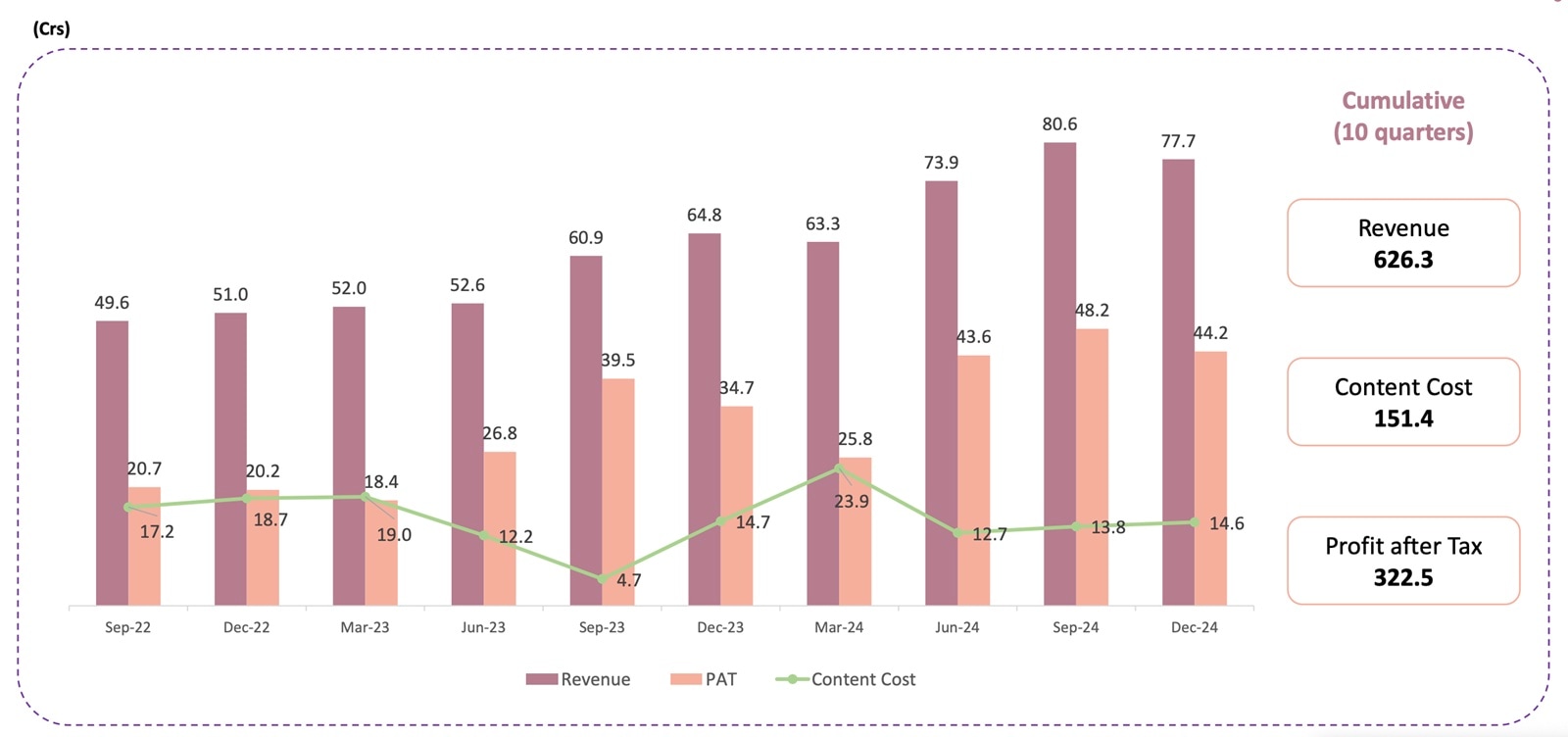 Figure 4: Revenue vs Content vs PAT (last 10 quarters). (Source: TIPS Music)
2. Higher monetization per song due to multi-platform strategy
TIPS ensures that every song in its catalog is monetised across multiple channels, extracting maximum revenue from each track.
Story continues below this ad
Instead of relying solely on film music, TIPS monetises its tracks through a mix of digital streaming, sync licensing, global distribution, and performance rights. For example, songs from Ramaiya Vastavaiya (2013) recently saw a 70% spike in Spotify streams due to a viral social media trend, generating a new revenue surge without any additional investment.
This ability to continuously earn from past content gives TIPS a structural margin advantage over competitors that must continuously spend on new content to maintain revenue growth.
3. No physical distribution or retail costs
Unlike Saregama, which invested in Carvaan (pre-loaded music devices) as a secondary revenue stream, TIPS has remained fully digital.
While Carvaan contributed to Saregama’s revenue, its margins were lower due to manufacturing and distribution costs.
Story continues below this ad
TIPS avoided this route, ensuring that all its revenue comes from zero-inventory digital channels, keeping costs low and margins high.
4. International revenue expansion via Warner Music
TIPS’ global distribution deal with Warner Music is unlocking high-margin international revenue, which contributes to higher profitability.
International streaming revenue pays up to 3X more per stream than Indian platforms, further boosting margins.
TIPS is also licensing its catalog for Hollywood and international ad placements, creating an additional premium revenue stream.
Story continues below this ad
Can TIPS sustain revenue and profit growth?
TIPS Music has consistently delivered 20%+ revenue growth year-on-year, driven by the booming digital streaming industry, increased global monetisation, and new revenue sources like short-form video monetisation. But the key question is: Can it maintain this growth momentum over the next 3-5 years?
Let’s analyse industry trends, streaming adoption, and the company’s strategic positioning.
1. Digital streaming growth: A market tailwind
As music consumption increasingly shifts online, TIPS Music is well-positioned to capitalise on this growth without requiring significant additional investment.
The Indian recorded music industry is projected to grow at a 15% CAGR, reaching Rs 4,000 crore by 2026.
Streaming contributes 87% of total music revenue, meaning digital-first players like TIPS benefit disproportionately from this expansion.
While ad-supported streaming remains the primary revenue model, the number of paid subscribers in India is expected to double from 7.5 million to 15 million by 2026. As more users shift to premium services, per-stream royalties will increase, further boosting TIPS’ earnings.
With strong platform presence, a vast music catalog, and multiple revenue streams, TIPS is poised to continue benefiting from the sustained growth of digital music consumption in India and globally.
2. Short-form video Monetisation: A game-changer for growth
The explosive rise of short-form video platforms such as YouTube Shorts, Instagram Reels, and TikTok (outside India) has fundamentally changed the way audiences discover and engage with music. These platforms are becoming a major driver of music consumption, with TIPS Music strategically positioned to benefit from this trend.
YouTube Shorts receives 70 billion daily views globally, with monetisation efforts still in the early stages.
Instagram Reels has witnessed a 70% increase in music-based content in India, further boosting music streaming revenues.
TIPS recently signed a global licensing deal with TikTok, allowing its music to be used on the platform outside India, unlocking a new international revenue stream.
Currently, short-form video contributes under 5% of TIPS’ total revenue, but this figure is expected to grow in the coming years as monetisation on these platforms expands.
3. New content strategy: Selective, high-ROI investments for sustainable growth
While TIPS Music has historically focused on maximising revenue from its existing catalog, the company has recently adopted a strategic approach to new content acquisitions to ensure long-term growth.
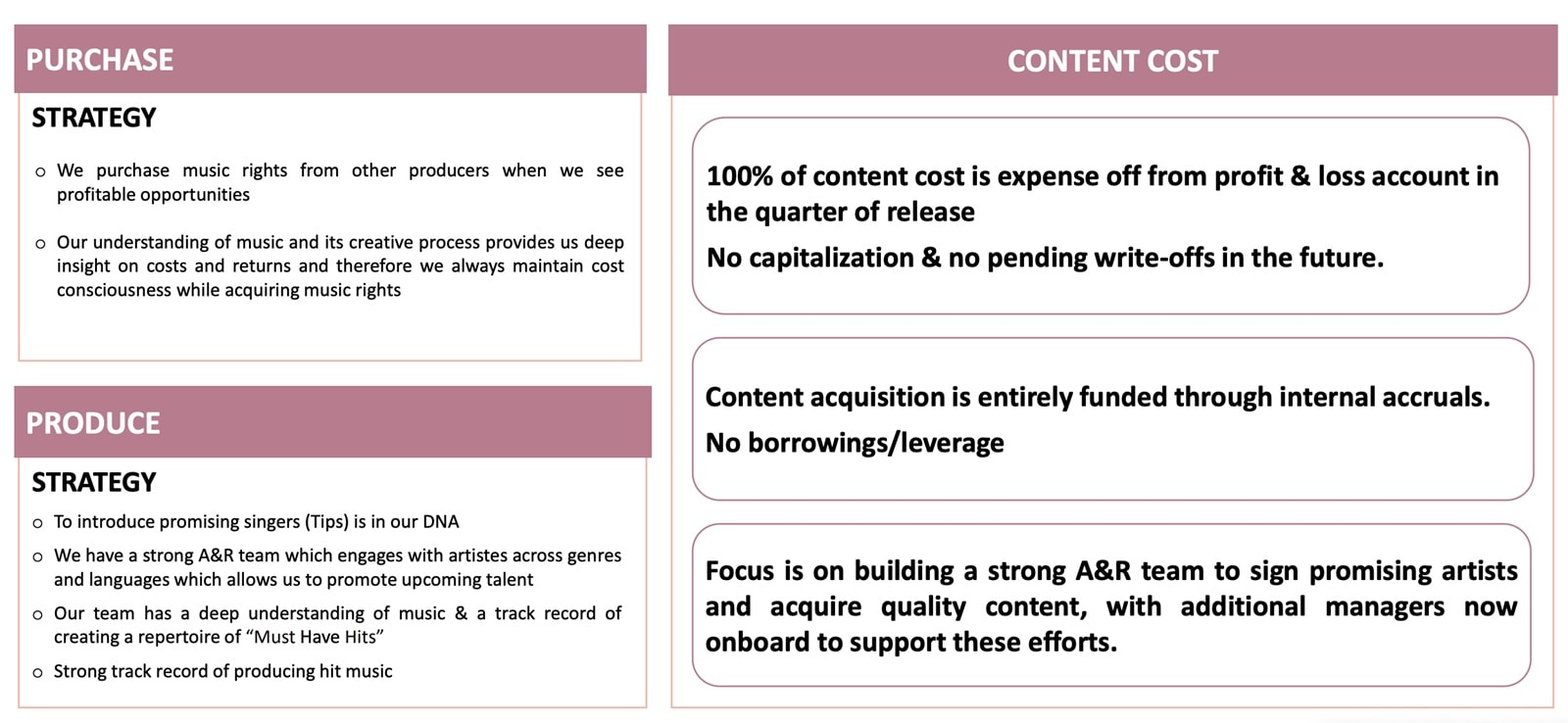 Figure 5: Content Acquisition Strategy. (Source: TIPS Music)
In 9M FY25, TIPS released 338 new songs, expanding its portfolio in regional and independent music, two of the fastest-growing segments in India.
The company maintains a strict 3-4 year payback period for new content investments, ensuring that every acquisition delivers a measurable return without straining profitability.
By focusing on high-margin, non-film music, TIPS avoids the competitive bidding wars that inflate acquisition costs in Bollywood soundtracks.
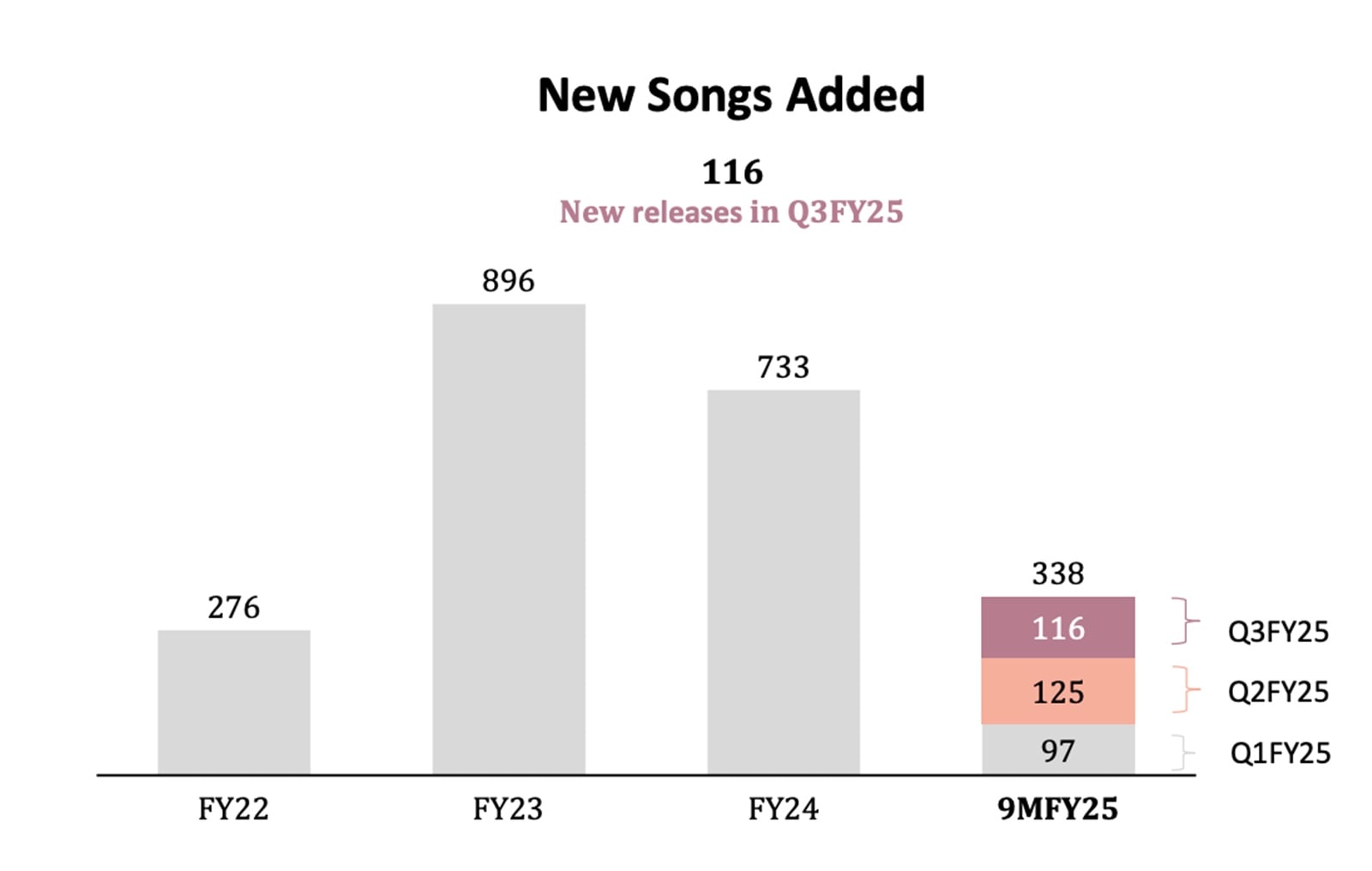 Figure 6: New Songs Added. (Source: TIPS Music)
Can TIPS sustain its premium pricing?
TIPS Industries Ltd. trades at a P/E ratio of ~50x, only slightly higher than Saregama (~45x P/E). However, the justification for this premium lies in TIPS’ superior margin profile, capital efficiency, and its ability to scale revenue with minimal reinvestment. The company operates at 65%+ EBITDA margins, significantly outperforming most media and entertainment peers.
Is the valuation justified?
TIPS has benefited from rising digital music consumption, high-margin catalog monetisation, and global expansion via Warner Music. However, future growth will depend on the evolution of streaming monetisation, competitive pressures, and regulatory shifts. While the streaming industry is expected to grow at 15% CAGR, TIPS must outpace this growth while maintaining profitability.
Challenges that could impact growth and valuation
A major risk is TIPS’ reliance on YouTube, which contributes over 50% of digital revenue. Any policy changes, algorithm shifts, or reduced ad revenue sharing could impact earnings.
While Spotify and Apple Music offer higher per-stream payouts, the pace of paid music adoption in India remains slow, which could delay revenue expansion.
Additionally, OTT platforms like Netflix and Amazon are producing in-house music, reducing reliance on traditional labels. If content acquisition costs rise due to competition from T-Series and Saregama, TIPS may have to increase reinvestment, impacting its asset-light advantage.
Final outlook: Can TIPS maintain its premium valuation?
TIPS is priced for continued revenue expansion, strong margin retention, and successful global monetisation. If the company executes well in paid streaming, licensing, and short-form monetisation, its valuation may hold or expand.
However, external risks — platform dependency, rising content costs, and regulatory shifts — could lead to a re-rating if growth slows.
The next 2-3 years will determine whether TIPS justifies its high multiple or if evolving industry dynamics force a recalibration of expectations.
Note: We have relied on data from the annual report and industry reports for this article. For forecasting, we have used our assumptions.
Parth Parikh has over a decade of experience in finance and research, and he currently heads the growth and content vertical at Finsire. He has a keen interest in Indian and global stocks and holds an FRM Charter along with an MBA in Finance from Narsee Monjee Institute of Management Studies. Previously, he has held research positions at various companies.
Disclosure: The writer and his dependents do not hold the stocks discussed in this article.
The website managers, its employee(s), and contributors/writers/authors of articles have or may have an outstanding buy or sell position or holding in the securities, options on securities or other related investments of issuers and/or companies discussed therein. The content of the articles and the interpretation of data are solely the personal views of the contributors/ writers/authors. Investors must make their own investment decisions based on their specific objectives, resources and only after consulting such independent advisors as may be necessary.