YouTube scales auto-dubbing to 27 languages with expressive speech, lip-sync tools | Technology News
3 min readNew DelhiUpdated: Feb 5, 2026 04:53 PM IST
With advancements in auto-dubbing technology, it will soon be simpler than ever to access videos from foreign content creators. With the mere click of the play button, it is now possible to access stories, ideas, and conversations from beyond one’s own borders.
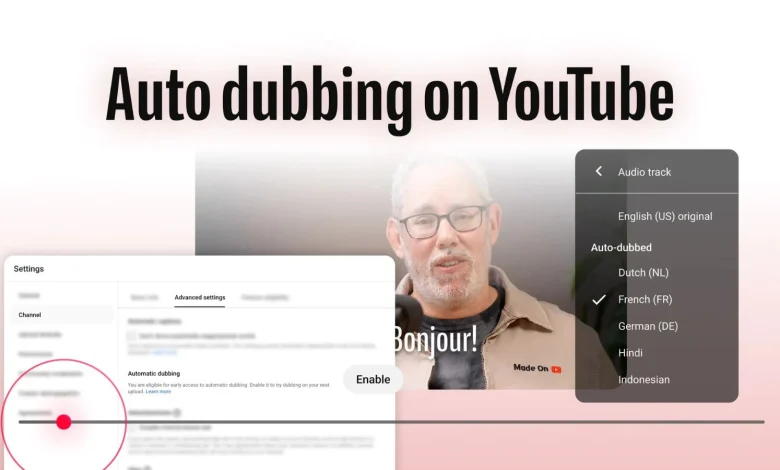
Auto dubbing has grown considerably and now supports 27 languages, enabling videos to reach viewers who might not understand the creator’s native language. The effects are already apparent. The fact that a large number of people spent considerable time watching auto-dubbed videos in December shows that audiences are ready to immerse themselves in content when it is accessible to them.

For content creators, this means their content can reach more people without spending time and money creating different versions.
Creating global content that is more authentic
One concern about dubbed content has been its audio quality. To tackle this issue, YouTube has introduced expressive speech technology that has been developed for various prominent languages, such as English, Hindi, Spanish, French, and German. However, rather than being boring and robotic-sounding, the translated audio now expresses the emotion, tone, and pace of the speaker. This makes a huge difference, especially when it comes to content such as commentary, storytelling, or vlogs.
The audience also has more control over their listening experience. A new feature of the preferred language option lets viewers choose whether to watch a video in its original version or a dubbed version. Although language choices were previously influenced by viewing habits, this new feature allows viewers to have a clearer voice, which is particularly helpful for bilingual viewers or those who would like to view content in its original form.
To further improve realism, a lip-sync feature is being tested. This technology adjusts lip movements to better match the translated audio, making the viewing experience smoother. It is not meant to be perfect, but it helps reduce the visual disconnect that can sometimes occur with dubbed videos.
Creators are also benefiting from smarter tools behind the scenes. Automatic filters can now recognise videos that are better left undubbed, such as music-focused uploads or silent content. This ensures that dubbing enhances videos where it makes sense, without changing the intent of the original work.
Story continues below this ad
Importantly, auto dubbing does not harm a video’s visibility. There is no negative effect on video recommendations, and in some cases it may even help videos reach viewers searching in other languages. The authors also have complete control over the videos because they can turn off the auto dubbing feature or even upload their own translations.
© IE Online Media Services Pvt Ltd