
Why Upside-Down Storage is a Hygiene Hazard

4 min readNew DelhiMar 3, 2026 11:00 PM IST
Have you ever lifted a glass at a restaurant, all happy and excited, only to be put off by a faint “rotten egg” smell? Recently, restaurateur Kabir Chugh shared on Instagram that this unpleasant odour can happen when glasses are washed and immediately stored upside down, trapping stale air inside.
But is it really just “trapped air”? Experts say the issue runs deeper.

According to Chetan Raj, Executive Sous Chef at The Claridges, improper storage may contribute, but stale air alone isn’t the main culprit. “This can be one reason, but not exactly because of ‘trapped stale air,’” he explains. The bigger issue is moisture.
When glasses are washed but not rinsed properly, left wet inside, or stored upside down on a flat surface without airflow, moisture gets trapped. In damp conditions—especially if racks or storage surfaces aren’t clean—bacteria can multiply. Some bacteria produce sulphur compounds, which are responsible for that distinct egg-like smell.
In short, the real reasons are moisture retention, poor drying and bacterial growth—not just air trapped inside the glass.
What else could cause the smell?
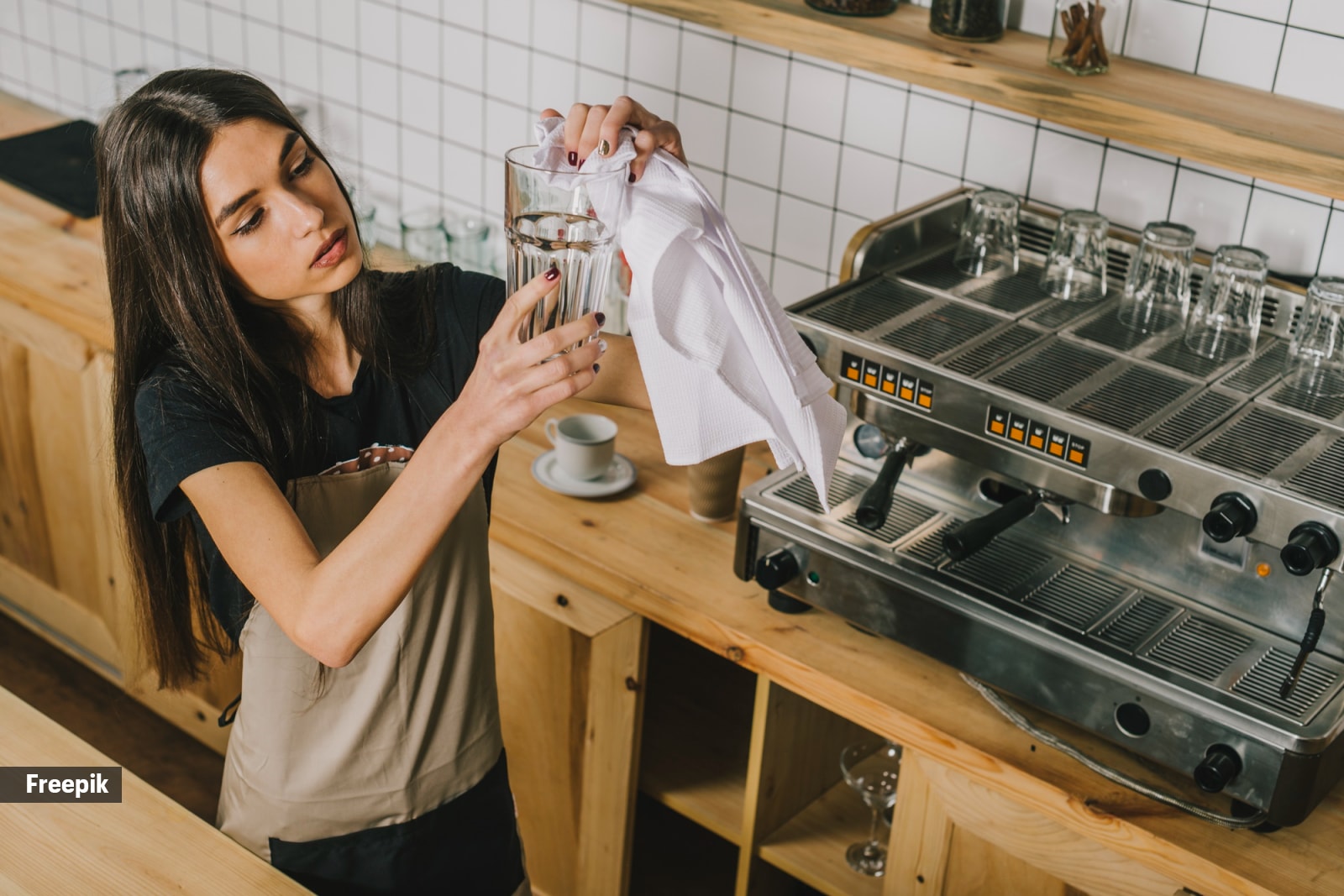 “If the rack or surface is not clean, bacteria grow in the damp environment, and produce sulphur compounds, which create that egg-like smell” Sous Chef Chetan Anand (Image: Freepik)
The problem isn’t always limited to drying practices. A foul-smelling glass can also result from:
- Dirty or poorly maintained dishwashers
- Poorly rinsed out detergent, which is a chemical residue
- Poor-quality or contaminated water
- Incorrect washing temperatures
- Detergent residue was not rinsed off properly
- Hard water deposits react with organic matter
- Improper storage and handling
“Moisture may stagnate inside the glasses when they are washed and stored without proper air circulation and kept upside down. Such dampness can give a foul odour, which is eggy or sulphurous,” says Dr Garima Tiwari, Head – Clinical Nutrition and Dietetics at ShardaCare- Healthcity.
Story continues below this ad
From a hygiene standpoint, stagnant moisture is a red flag. “Stagnant moisture promotes the growth of bacteria, and lack of proper ventilation means the glasses are poorly dried,” she adds. Wiping with unwashed cloths can further transfer odours and microbes.
In busy restaurants, rushed cleaning cycles or failure to sanitise equipment properly can increase the risk of biofilm formation—a thin layer of bacteria that clings to surfaces and can produce unpleasant smells.
Is it safe to use such glasses?
Ideally, no. While a smelly glass may not always lead to immediate illness, it can signal lapses in basic hygiene protocols. “A foul smell may indicate shortcomings in food safety practices,” Dr Tiwari cautions.
Potential concerns include exposure to harmful bacteria, cross-contamination with other utensils, and increased mould or bacterial spores in damp conditions. If a glass smells unpleasant, it’s reasonable to request a replacement.
Story continues below this ad
Ultimately, that subtle sulphurous whiff isn’t just about stale air—it’s often a sign of moisture, microbial growth, or poor sanitation. Proper air-drying on clean racks, adequate spacing between glasses and strict cleaning protocols are essential to maintain hygiene standards in any food establishment.
DISCLAIMER: This article is based on information from the public domain and/or the experts we spoke to.


