
The Rise of the ‘Pregnancy Prep’ Influencer
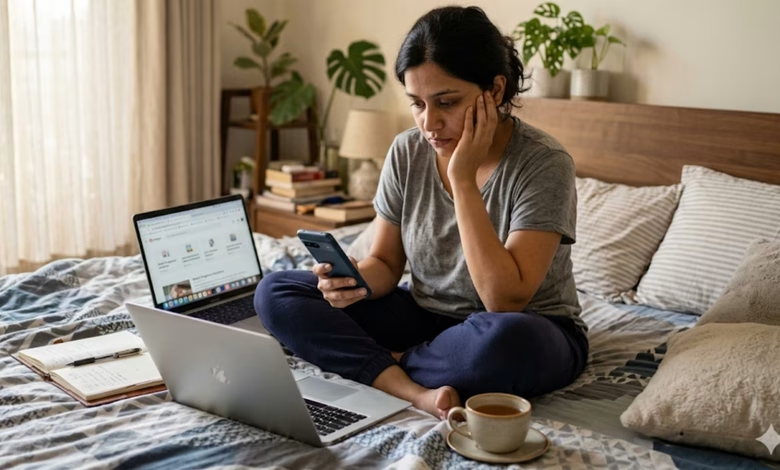
Before the nausea, the scans, the cravings. Before conception itself, there is an entirely different chapter taking shape for women in India and around the world today. It is called the ‘zero trimester’, a term coined by American sociologist Miranda Waggoner in her 2017 book of the same name, which examined how medicine and public health had begun focusing on women’s bodies as perpetually ‘pre-pregnant’.
Today, the concept has escaped the pages of academic sociology and landed squarely in the wellness mainstream driven by social media, biohacking culture, and a growing anxiety about getting pregnancy ‘right’ from the very start.
As Wired reported, the cultural obsession with wellness and optimisation, “currently driven and designed by male biohackers like Bryan Johnson and Peter Attia,” has now come for this murky preconception period. Women have started training for pregnancy “like it’s a marathon,” as influencer Kaylie Stewart announced to her 1 million TikTok followers.

DISCLAIMER: This article is based on information from the public domain and/or the experts we spoke to. Always consult your health practitioner before starting any routine.
The numbers bear this out. Wired states in its report that the hashtag “#preconception appears in 106,000 Instagram posts and #pregnancyprep in 36,000.”
It adds, “Singular TikTok ‘prep’ videos rack up tens of thousands—sometimes millions—of views and likes.” ‘Pregnancy Prep’ influencers post curated lists, aesthetic vlogs, and GRWM (Get Ready With Me) TikToks filled with glowing, happy women. They suggest a litany of lifestyle changes, niche products, books, courses, and ‘quick’ tips to follow in the six to twelve months before getting pregnant.
But what does this global trend look like when it lands in India, with its particular mix of tradition, urban aspiration, and overburdened healthcare systems?
Story continues below this ad
What real women experience
For the women actually living through this, the picture is more textured. Juilee Ghadigaonkar, an account director, did not plan her pregnancy in advance. “Once I found out I was pregnant, I became very conscious about taking care of my health,” she says. Her guidance came primarily from her gynaecologist and not from social media, which she found overwhelming. “Too much overthinking is not good during pregnancy,” she notes.
Her pregnancy was hormonally challenging, requiring medication to stabilise her levels, and she experienced persistent nausea throughout. But what carried her through was professional medical guidance, a supportive work environment, and the empowerment to continue working despite the physical demands.
Prerna Gagerna, 33 and nine months pregnant at the time of speaking with indianexpress.com, had a more ambivalent relationship with the flood of preconception content available today. She was mindful about her health beforehand, taking balanced meals, staying active, and doctor-recommended supplements, but stopped well short of following any structured programme.
“There are videos explaining what you should be doing in every single week of pregnancy, discussions around the ‘best birthing plan’, endless doctor recommendations online,” Gagerna observes. “In some ways, it’s empowering because you feel more informed. But at the same time, it can become overwhelming.” The anxiety that comes from feeling like you may have missed something, or that an unexpected development is somehow your fault, is real. Her conclusion: “Pregnancy is not a one-size-fits-all journey. You have to step back from the noise.”
Story continues below this ad
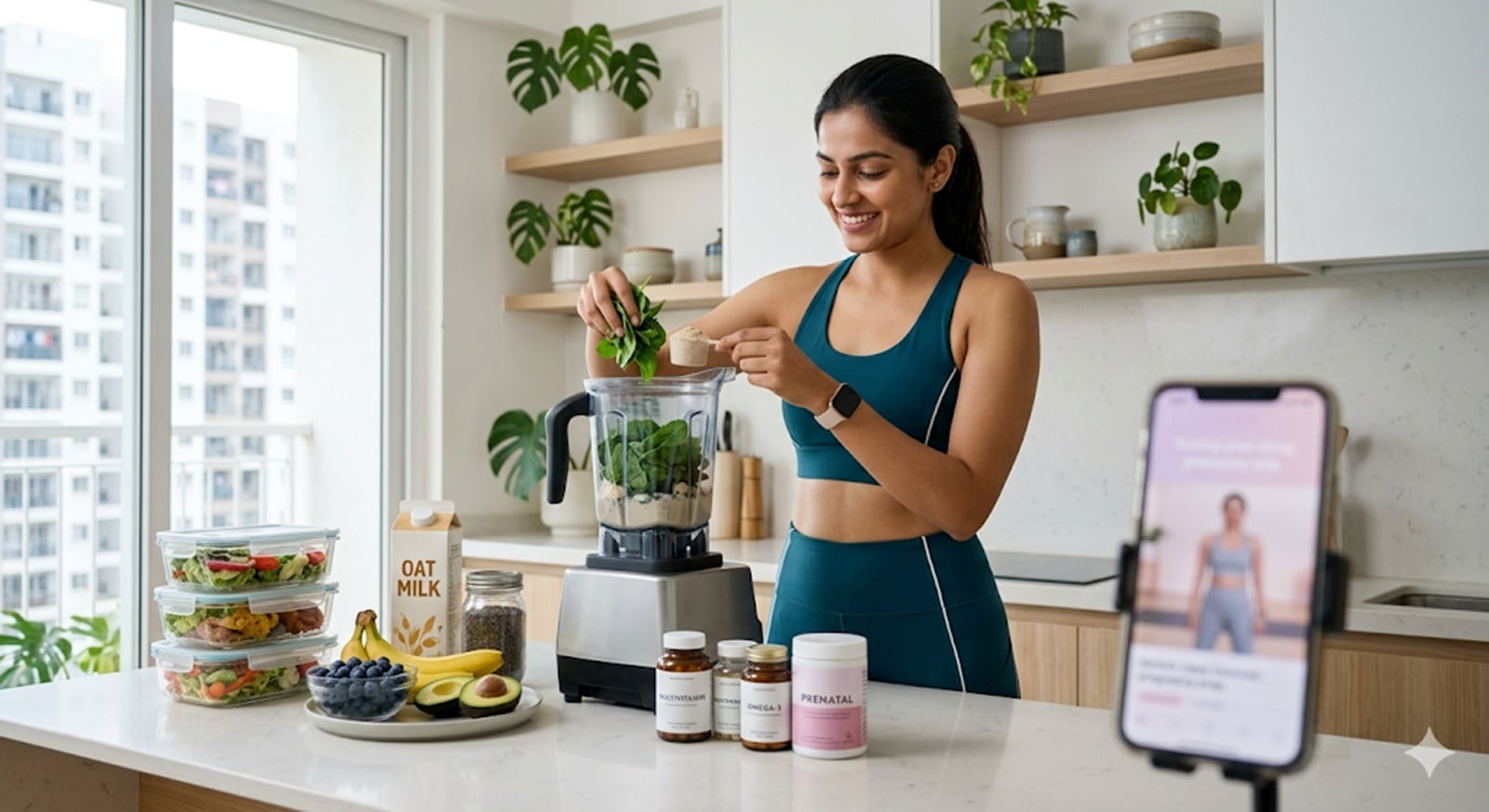 Maintaining a healthy weight, managing stress, quitting smoking, and moderate alcohol consumption represent essential lifestyle changes which help people achieve better fertility results (Source: AI Generated)
Brinda Gupta, a new mother at 27, hadn’t consciously prepared for pregnancy at all. Her body was low in iron, calcium, and DHA when she found out she was expecting, making the first trimester particularly gruelling. Her recovery came not from supplements or structured programmes but from instinct and tradition: increasing water intake, prioritising sleep, eating simple home-cooked vegetarian meals, and drawing on the food wisdom of her elders.
She also maintained a daily practice of chanting and meditation. “That practice gave me a lot of calmness and strength during the journey,” she says. “By God’s grace, I had a normal delivery exactly at 36 weeks without much pain or complications. After delivery, there was a little discomfort, which is natural, but today when I see my baby’s little smile, it makes everything completely worth it,” she mentions.
Let’s talk about what actually works, medically
Doctors across India are quick to point out that preconception care, stripped of its wellness-influencer packaging, has genuine medical merit. Dr Deepthi Ashwin, consultant in Obstetrics and Gynaecology at Aster Whitefield Hospital, outlines what evidence-based preparation actually involves: screening for chronic conditions such as thyroid disorders, diabetes, anaemia, and hypertension; ensuring vaccinations like rubella and hepatitis B are up to date; and optimising nutrition, particularly folic acid intake, to reduce the risk of neural tube defects.
“Maintaining a healthy weight, managing stress, quitting smoking, and moderate alcohol consumption represent essential lifestyle changes which help people achieve better fertility results,” she tells indianexpress.com.
Story continues below this ad
Dr Pallavi Vasal, clinical director of Obstetrics and Gynaecology at Marengo Asia Hospitals in Gurugram, is noticing a generational shift. More and more couples are becoming conscious of ‘clean living’ before pregnancy, she says — driven by increased urbanisation, lifestyle pressures, and a more educated population.
“Couples want to be sure of conceiving in a state of good health.” What concerns do they bring to her clinic? Work pressure, frequent travel, and questions around alcohol and smoking.
Dr Aindri Sanyal, clinical director and senior fertility specialist at Nova IVF Kolkata, makes a compelling case for the importance of early planning, especially as delayed parenthood becomes the norm. She says, “Life plans can be adjusted, but the biological clock remains constant,” she says.
Female fertility declines notably after the mid-30s, affecting both the quantity and quality of eggs. Pre-conception consultations, she argues, offer a window to catch conditions that may otherwise go unnoticed for years — from PCOS and thyroid disorders to endometriosis and genetic risks like thalassaemia.
Story continues below this ad
She shares a striking case of a couple who sought preconception counselling simply to understand their readiness, discovered that the woman had a large endometriotic cyst and very low AMH levels despite having no symptoms whatsoever. Without that early evaluation, their fertility challenges might not have surfaced until after months of unsuccessful trying.
And yet, the doctors are unanimous on one thing: below the age of 35, couples should try naturally for at least a year before considering fertility intervention. “Getting pregnant is a natural process and should be left to nature, at least for a couple of months,” says Dr Vasal. “The human body does not behave like maths.”
What you eat and what you don’t need to cut out
Nutrition is the most crowded arena in the preconception wellness space, and the one most vulnerable to misinformation. Dr Shabana Parveen, head of Clinical Nutrition and Dietetics at Artemis Hospitals, recommends that women start thinking about their diet at least three to six months before trying to conceive — not to embark on an extreme regimen, but simply to ensure nutritional reserves are in place.
The essentials? Folic acid, iron, iodine, vitamin D, and vitamin B12. These nutrients support egg health, hormonal balance, and early foetal development. Beyond that, the prescription is refreshingly unglamorous: whole grains, fruits, vegetables, healthy fats, dairy or calcium-rich foods, adequate hydration, and consistent meal timings. “The goal is always to give the body good food, not to follow strict diets that make you stressed or miss out on important nutrients,” she says.
Story continues below this ad
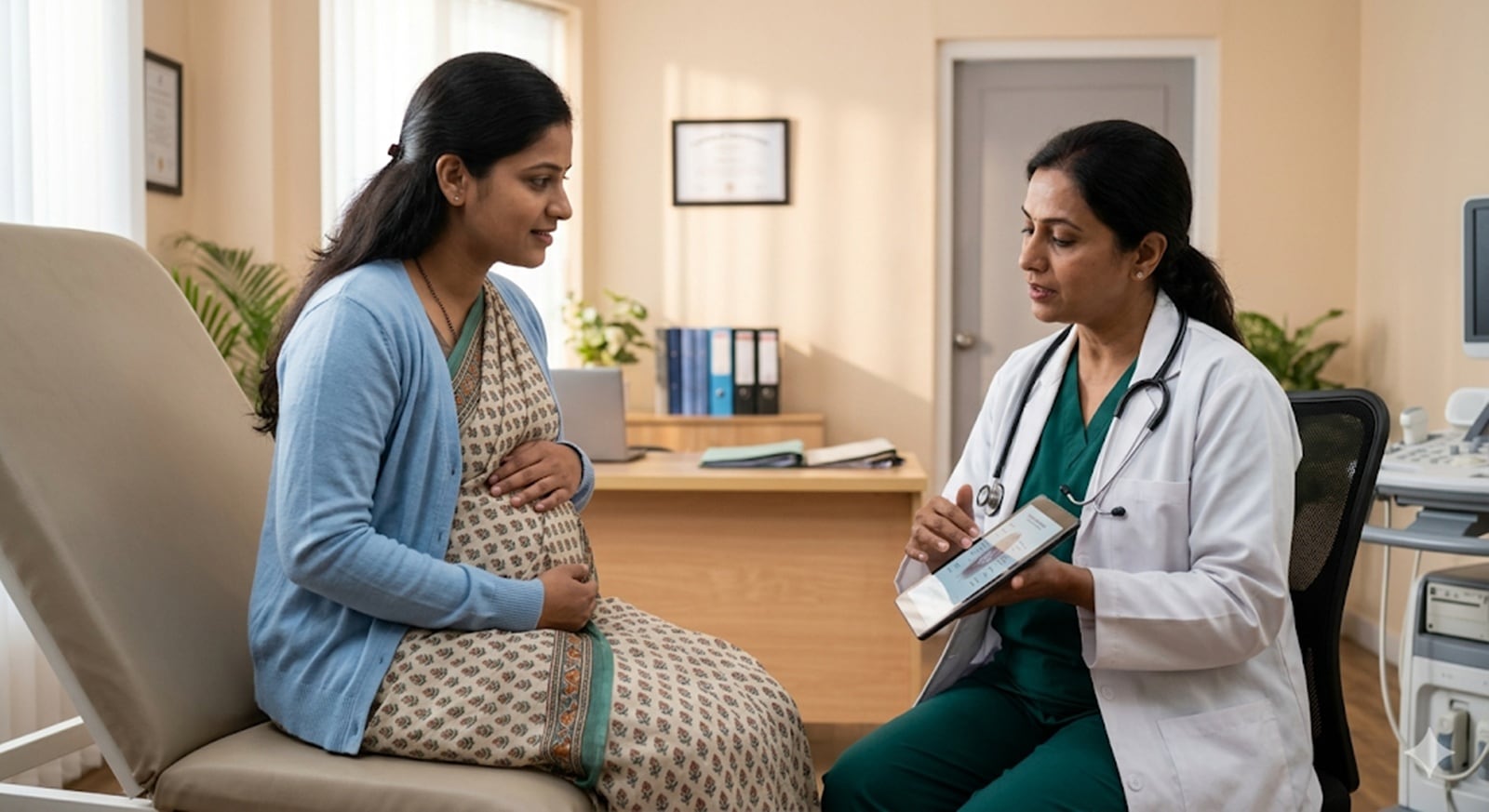 Doctors are unanimous on one thing: below the age of 35, couples should try naturally for at least a year before considering fertility intervention. (Source: AI Generated)
Sandhya Narasimhan, Clinical Nutritionist and Founder at Svastha Wellness: Health and Beyond, addresses some common myths. “One common belief is that certain ‘superfoods’ can improve the chances of conception on their own. Foods like nuts, seeds, and traditional ingredients such as turmeric or ginger are certainly nutritious. However, no single food can guarantee fertility,” she stresses.
Another myth is that taking multiple supplements can replace a healthy diet. Narasimhan says that many people think that supplements alone are enough to boost fertility. “In reality, fertility nutrition works best with a mix of balanced whole foods and supplements when necessary.”
“Not every woman needs every supplement,” reveals Narasimhan, adding that supplementation should always be personalised based on blood reports and medical advice. It’s important to remember that taking too many supplements can sometimes cause more harm than good and may even lead to toxicity.
The mental health dimension: when optimising becomes overwhelming
Psychologist Abhilasha Chouhan offers perhaps the most nuanced lens on this trend. She acknowledges that in a world of environmental uncertainty and busy lives, approaching pregnancy from a ‘planning and preventive perspective’ is understandable. But she draws an important distinction between informed preparation and relentless optimisation.
Story continues below this ad
“Women may begin to treat pregnancy as a constant task,” she observes, by monitoring diet, exercise, blood pressure, ultrasounds, and appointments in an unending loop. For women navigating fertility challenges in particular, this hyper-vigilance can tip into catastrophic anxiety. Chouhan compares it to an alarm system stuck in the ‘on’ position: “Vigilance can sometimes make a person constantly alert or anticipating future outcomes.”
Social media, she notes, plays a complicated role. It can spread awareness and reduce stigma. But it also pushes women to compare their pregnancies and their bodies against carefully curated versions of others, without any knowledge of those individuals’ actual health circumstances. “It is influencing women’s choices and decision-making, and at times affecting their trust in available resources such as doctors and the advice or wisdom of elders.”
Her advice for a healthier approach is to add mindfulness and breathing practices; spend time with loved ones; don’t let the idea of independence become an excuse to refuse help; reconnect with yourself through hobbies; and engage in genuine self-care. And, most importantly, “trust your available support system, from doctors and hospitals to family, and also trust your own body.”
There is something real and valuable in the idea of the zero trimester, particularly for women with underlying health conditions, nutritional deficiencies, or a family history of genetic disorders. But the wellness industry has taken this kernel of medical truth and wrapped it in a layer of optimisation anxiety that serves commercial interests far more than it serves women.
Story continues below this ad
The most experienced doctors keep returning to the same, unglamorous prescription: see your doctor, eat well, manage stress, and trust your body. That’s not a trending hashtag. But then, the healthiest pregnancies rarely are.
DISCLAIMER: This article is based on information from the public domain and/or the experts we spoke to. Always consult your health practitioner before starting any routine.


