
Why small meals and mindful eating may boost health

3 min readNew DelhiMay 27, 2026 09:30 AM IST
Industrialist Kumar Mangalam Birla, 58, once opened up about his eating habits in a conversation with Nikhil Kamath on his YouTube podcast. “I have small meals spread out through the day. I have a sweet tooth. Chocolate is something I do eat. But I’m pretty frugal eater. Bhindi and paneer for dinner. Breakfast is a two-egg omelette followed by a soup something around 12 pm. It’s pretty simple. I think it’s best to keep food simple.”
DISCLAIMER: This article is based on information from the public domain and/or the experts we spoke to. Always consult your health practitioner before starting any routine.

When Birla spoke about being a frugal eater and preferring small meals, it highlighted an approach to eating that aligns closely with the idea of mindful and controlled nutrition rather than excess. From a clinical nutrition perspective, eating smaller, balanced meals can help with portion control, digestion, and energy regulation,” said consultant dietitian and fitness expert Garima Goyal.
Large meals often lead to post-meal sluggishness, bloating, and sharp blood sugar fluctuations, whereas moderate portions may support steadier energy levels throughout the day. “What is particularly interesting is the concept of frugality in eating, which is not about deprivation but about eating with awareness. Many long-term healthy eating patterns across cultures are built on moderation rather than constant abundance. This naturally reduces overeating and improves satiety recognition.”
Smaller meals can also benefit individuals who struggle with heavy digestion, acidity, or irregular hunger patterns. “However, meal quality remains more important than meal size alone. Small meals that are low in protein or fibre may still leave a person unsatisfied and prone to frequent snacking,” said Goyal.
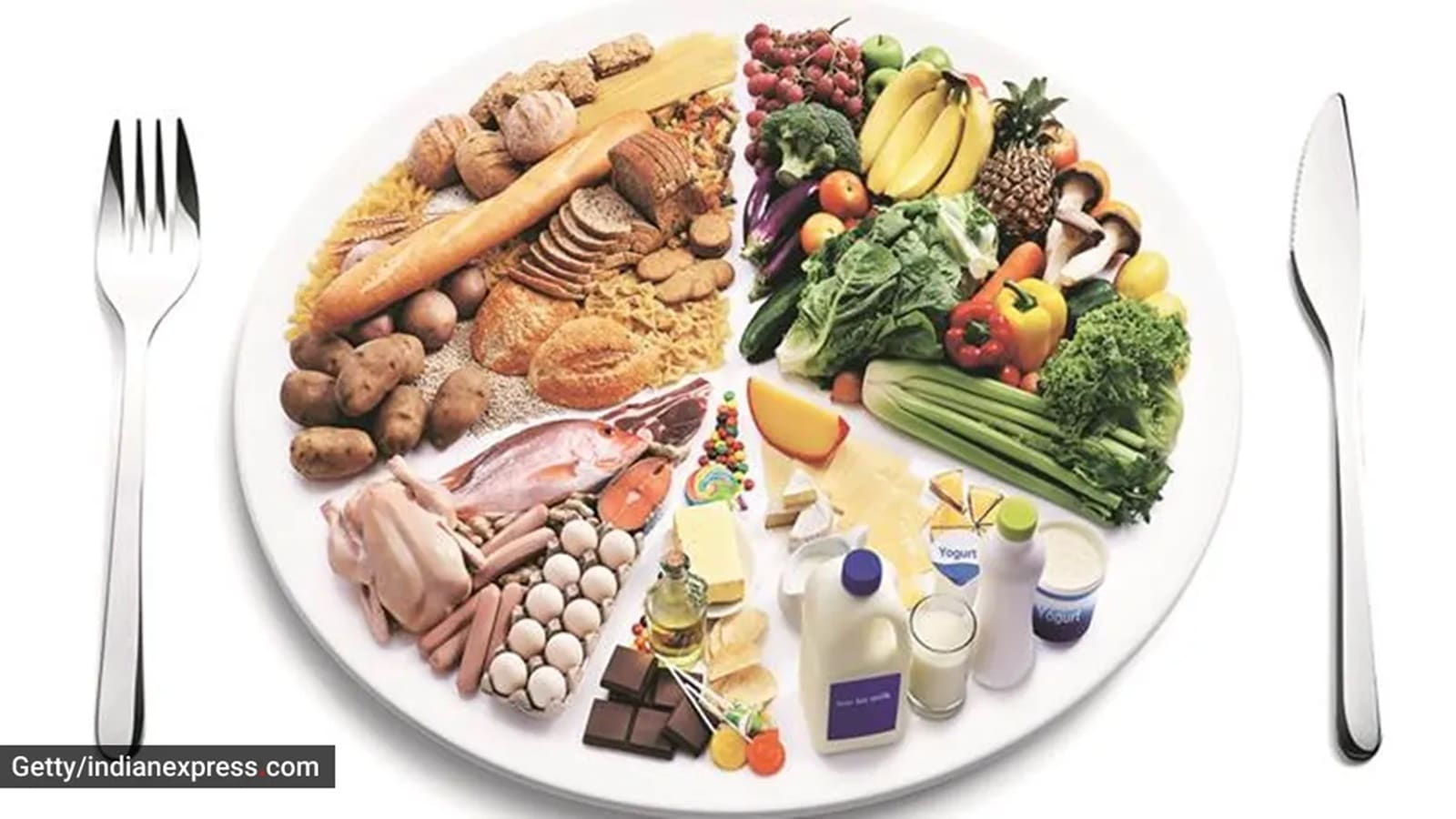 Here’s what you should know (Photo: Getty Images/Thinkstock)
Another important factor is metabolic individuality. “While some people feel better with smaller frequent meals, others may thrive on three larger, balanced meals. The ideal pattern depends on lifestyle, medical history, activity level, and hunger response. What his statement reflects is a mindset shift away from excess consumption,” said Goyal.
Health is often built more through moderation than restriction. “The takeaway is simple. Eating less is not the goal. Eating mindfully and appropriately for your body is,” said Goyal.
Story continues below this ad
DISCLAIMER: This article is based on information from the public domain and/or the experts we spoke to. Always consult your health practitioner before starting any routine.


