
What is Depression Cake?

4 min readNew DelhiUpdated: Aug 7, 2026 07:37 PM IST
Fancy a thick slice of Depression Cake? It’s actually great, much like the era it was named after. And it feels very Marie Antoinette-like: given that when you can barely afford bread, you can still make this cake with the bare minimum in your larder.
I have always been intrigued by food from periods of deprivation or scarcity because it’s amazing to see the kind of innovativeness man is capable of. Partition-era food, the use of minimal ingredients, East Bengal’s baatas and bhortas, Rajasthan’s mutton dishes like Laal Maas or Junglee Maas using three to four ingredients at most. Which is why I was curious about the Great Depression Cake—which also seems suitable for the state of the world today.

This is both a scientific marvel and a culinary gem. Depression Cake originated in the United States during the Great Depression of 1929, though it has been referred to as ‘War Cake’ in texts dating back to World War I. Since milk, eggs, and butter were hard to come by, this recipe relied on oil, vinegar, and cold water to make the cake moist. It was vegan long before being vegan was considered cool.
When the stock market crashed and millions lost their jobs, ingredients like milk, butter, and eggs became too expensive or difficult to find. So, home cooks invented this recipe that used no butter, no eggs, no baking powder—nothing fancy. Instead, vinegar and baking soda lifted the cake, which was ideally mixed and baked in a single pan to make life easier.
Butter was replaced with a neutral oil (not olive oil; just any ordinary vegetable oil), which gave the same effect as butter, but was lighter and less rich. Without eggs or dairy to give structure and lift, vinegar and baking soda were mixed to create a chemical reaction that generated carbon dioxide bubbles, making the cake rise. The result was a surprisingly spongy, moist cake, despite the dismal ingredients that went into its making.
I first read about this cake in a copy of Jean Anderson’s The American Century Cookbook, where she mentioned she remembered this cake from the 1970s. And it’s the same as the recipe for ‘Cockeyed Cake’ in Peg Bracken’s The I Hate to Cook Book, written in 1960.
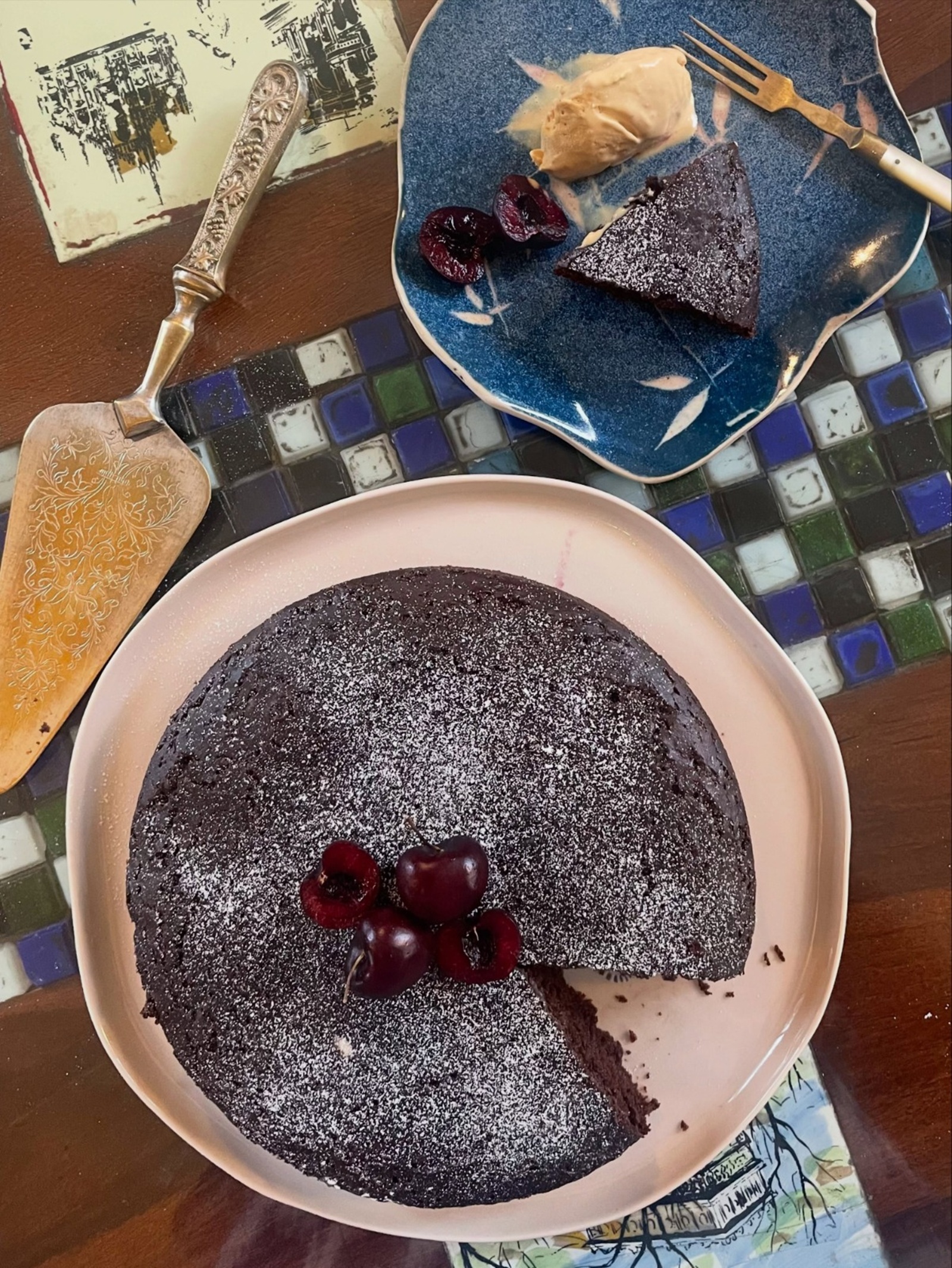 Have you ever tried it? (Photo: Rajyasree Sen)
It’s also called ‘Wacky Cake’ because of the process. All the ingredients are mixed in the pan you bake the cake in. After you mix the dry ingredients, you make three holes in which you pour the vanilla, vinegar, and oil. Then, pour cold water into the mixture, beat together and then bake. And like magic, you get cake which will knock you out of an economic or psychological depression—at least for a little while.
Story continues below this ad
I recommend you make this cake and marvel at it, just like I did. I followed the basic Martha Stewart recipe, but I would suggest mixing everything in one bowl, skipping the three-hole process of the ‘Wacky Cake’, and then transferring to the baking pan.
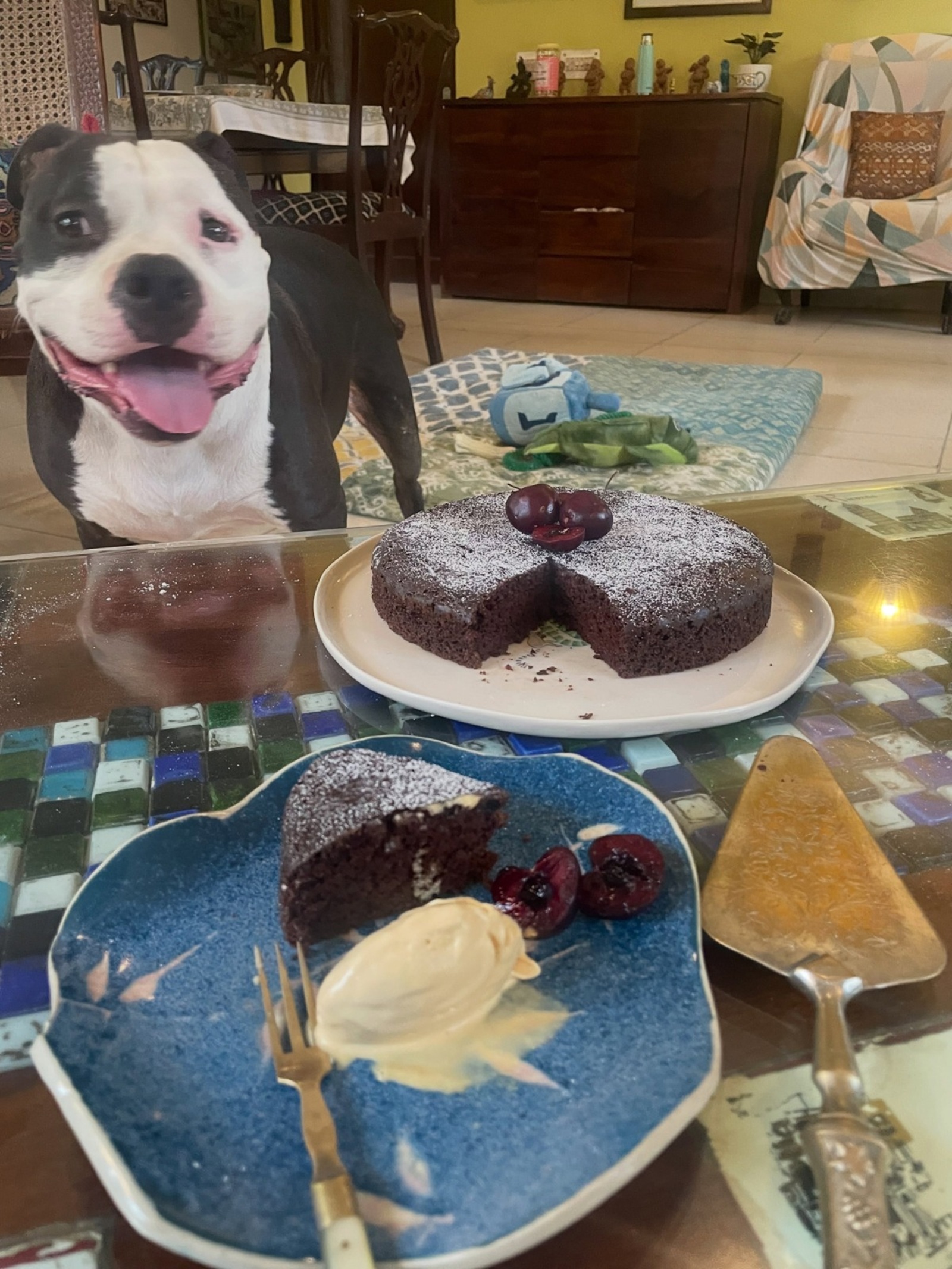 Depression Cake originated in the United States during the Great Depression of 1929, though it has been referred to as ‘War Cake’ in texts dating back to World War I. (Photo: Rajyasree Sen)
Ingredients
1 1/2 cups flour
1 cup sugar
1/4 cup cocoa powder
1 teaspoon baking soda
1/4 teaspoon salt (this is very necessary because you’re not using butter)
1 tablespoon white synthetic vinegar
1 teaspoon vanilla essence
6 tablespoons vegetable oil (I use what refined oil I’m using in the kitchen, not olive oil)
1 cup really cold water
Process
1. Preheat the oven to 350 F/170 C, and grease an 8- inch cake pan.
2. In a mixing bowl sift together the flour, sugar, cocoa and baking soda.
3. Make a well in the centre and and pour in the vinegar, vanilla and oil. And mix well.
4. Then pour in the cold water and mix well.
5. Pour the batter into the baking pan and bake for 30 minutes.
6. Let cool and top with powdered sugar or frost.
Story continues below this ad
Next week, I’ll be writing about Saoji cuisine, known for its signature spice blends, cultural roots, and fiery gravies.


