
What happens to oil when it is reheated repeatedly?
3 min readDec 22, 2025 12:29 PM IST
Reusing oil after deep-frying is a common practice in many Indian households and commercial kitchens. However, repeatedly reheating oil can have serious consequences for both food quality and long-term health. According to Dt Ginni Kalra, Head of Dietetics at Aakash Healthcare, “Reusing cooking oil is not encouraged, especially when done frequently or without proper handling.”
Here’s why:

Dt Kalra explains that repeated heating leads to chemical changes that can damage organs and cells over time.
“As per ICMR guidelines, cooking oil should ideally not be reused more than two to three times,” she says. Beyond this limit, oil becomes increasingly unstable and unsafe to handle.
While occasional reuse at home—when oil is filtered, stored properly, and not overheated—may be acceptable, commercial kitchens pose a higher risk, Dt Kalra adds.
What happens to oil when it is reheated repeatedly?
When oil is repeatedly heated, it undergoes a series of chemical reactions, explains Dt Kalra. “Triglycerides begin to break down, producing harmful compounds such as aldehydes, which can bind to DNA and proteins in the body, causing damage. These substances promote oxidative stress and chronic inflammation, both of which are linked to lifestyle diseases.”
She adds that with excessive reheating, acidity and peroxide levels in oil can cross safe limits, making the oil unsafe for consumption.
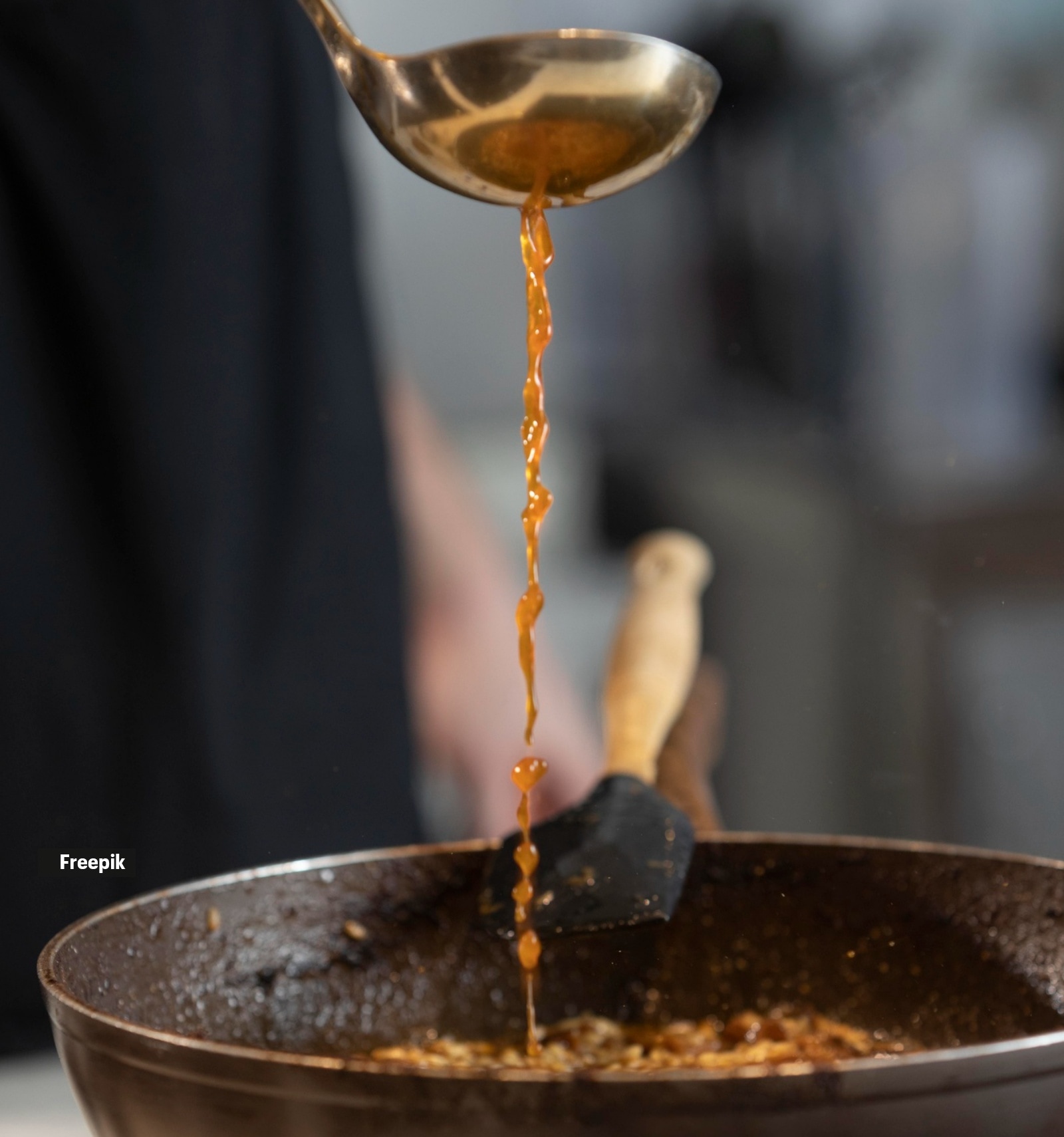 How many times can deep-fried oil be reused safely? (Photo: Freepik)
Does the type of oil matter?
Yes, the choice of oil plays a significant role in how well it tolerates reheating, says Dt Kalra. Oils rich in natural antioxidants—such as cold-pressed mustard, groundnut, and flaxseed oils—are relatively more stable than highly refined oils. However, Dt Kalra cautions that no oil is immune to damage.
Story continues below this ad
“Even antioxidant-rich oils deteriorate if exposed to excessive heat repeatedly,” she explains.
Signs that frying oil should be discarded immediately
According to Dt Kalra, frying oil should be discarded right away if you notice:
- Darkening to deep brown or black
- A rancid, burnt, or unpleasant smell
- Excessive smoking at normal cooking temperatures
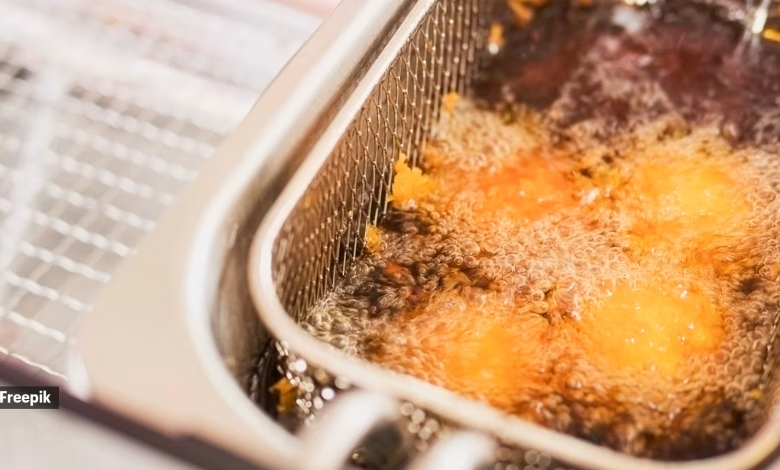
- Foaming or frothing on the surface
- Sticky or gummy texture
“These are clear indicators of chemical breakdown,” she says. Using oil in this state not only affects taste but also increases exposure to harmful compounds.
Long-term health risks of repeatedly reheated oil
Regular consumption of food cooked in repeatedly reheated oil (RCO) has been linked to several chronic health conditions, according to Dt Kalra. She points out that RCO consumption has been associated with a higher risk of type 2 diabetes, fatty liver disease, and cardiovascular disorders, due to its elevated levels of harmful fats and oxidative compounds.
Story continues below this ad
“As consumers, small changes in cooking practices can make a big difference,” concludes Dt Ginni Kalra. “Fresh oil and mindful cooking are investments in long-term well-being.”


