
When Raveena Tandon called herself a ‘wannabe vegetarian’: ‘I might have…’ | Food-wine News

3 min readNew DelhiDec 11, 2025 10:30 AM IST
After becoming involved in animal welfare activities, actor Raveena Tandon felt compelled to change her food preferences. “I am a wannable vegetarian. I grew up eating all kinds of non-vegetarian foods. But slowly and surely, more so for compassionate reasons, I gave up long ago,” said Tandon.
She added that the maximum she would have now is some seafood. “If I am really stranded, I might have fish or prawns sometimes. However, that is the maximum amount of non-vegetarian food that I eat. If I get great vegetarian food, I really don’t miss non-vegetarian,” she told CurlyTales.

Taking a cue from her admission, let’s understand what it means for one’s body.
Ethically, choosing a vegetarian diet aligns with concerns about animal welfare. “High fibre content supports digestive health, and a variety of plant-based foods allows for creative and diverse meals. A well-planned vegetarian or plant-based diet can provide balanced nutrition while also reflecting ethical and environmental considerations, making it a wise and responsible dietary choice,” said Suvidhi Jain, lifestyle, exercise, and nutrition coach and founder – LEAN by Suvidhi.
However, it is essential to understand that non-vegetarian foods, such as fish, chicken, and eggs, are good sources of protein in terms of biological value.
“This non-veg protein contains more protein than vegetarian sources. Like, 100 g of fish contains = 19.9(20) g of protein. 100 g of chicken contains 22- 24 g of protein. Whereas 100 gm dal contains 9.5 gm (10 gm) proteins,” said Sohini Banerjee, consultant dietitian, ILS Hospital, Howrah, West Bengal.
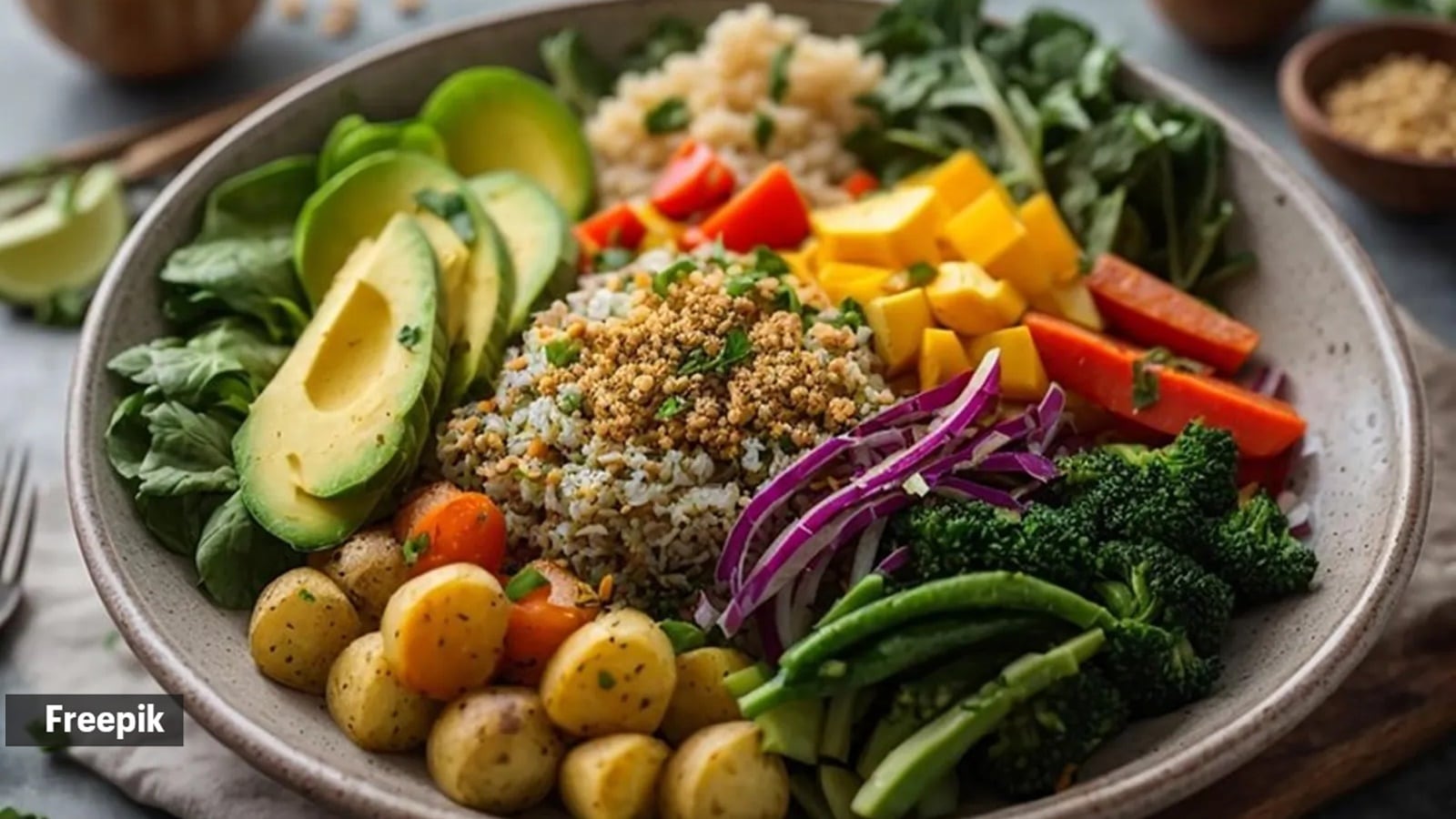 Are you a vegetarian? (Photo: Freepik)
According to her, plant proteins are considered second-class proteins, while animal proteins are first-class proteins. “Non-vegetarian protein contains all essential amino acids, whereas plant-based proteins are often incomplete. Non-veg proteins are rich in heme iron, vitamin B12, and other nutrients, which are crucial for various bodily functions,” said Banerjee.
Story continues below this ad
Therefore, when planning to make a switch, consider opting for a balanced vegetarian or plant-based diet with careful attention to macronutrients. “These diets are rich in essential nutrients, including vitamins, minerals, and antioxidants, which support overall health and reduce the risk of chronic diseases. The inclusion of plant-based foods, especially greens, boosts fibre intake, enhancing gut health and aiding digestion,” said Jain.
DISCLAIMER: This article is based on information from the public domain and/or the experts we spoke to. Always consult your health practitioner before starting any routine.


