The making of MX Master 4: How Logitech designed a premium wireless mouse with haptic vibrations | Technology News
Modern devices, like smartphones, have evolved significantly over time. Earlier phones could make calls and access the internet, but the iPhone revolutionised mobile hardware and software, setting a completely new standard. Something similar is now happening at Logitech International SA, the computer accessory maker, which is rewriting some of the rules itself.
Its MX line devices, whether mice or keyboards, are no longer conventional. Instead, they share several characteristics with smartphones and PCs, improving over time through timely software updates and becoming part of the modern, connected ecosystem.
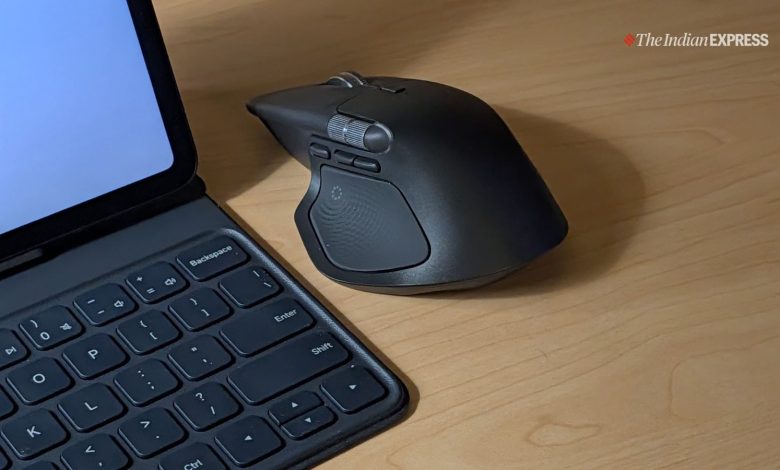
The latest MX Master 4 is a case in point: a high-end wireless mouse with a built-in motor that delivers vibrating, video-game–like feedback to creative apps, offering a fresh take on the mouse segment, which has remained largely unchanged in recent years.
“We experience haptics across different parts of our lives on smartphones and in gaming, and we enjoy them because they offer a multisensory experience,” Anatoliy Polyanker, Vice President and Head of the Logitech MX Series, told indianexpress.com in an exclusive interview.
“When we started working on the MX Master 4, we realised there was nothing like this in productivity: no real two-way communication with your digital creations. Before that, when you used a regular mouse, you simply sent a command to the computer, which then performed the task, but you received no feedback. That’s what we wanted to change: to give users an immersive, multisensory experience through haptic feedback.”
For seamless transition between devices and apps
Polyanker, who was recently in India, said the new products launched as part of the MX series reflect consumers’ changing workflows. He also noted that the inspiration for the MX Master 4, in particular, came from other product categories such as smartphones, PCs, and tablets.
“Work has become far more complex, and there are more apps, more devices, and constant switching between them. The question for us was: how can we help people transition seamlessly between devices and applications and stay in the flow? The answer is a combination of great comfort, excellent scrolling and tracking, deep customisation, and haptic feedback, along with a new software feature,” Polyanker said.
Story continues below this ad
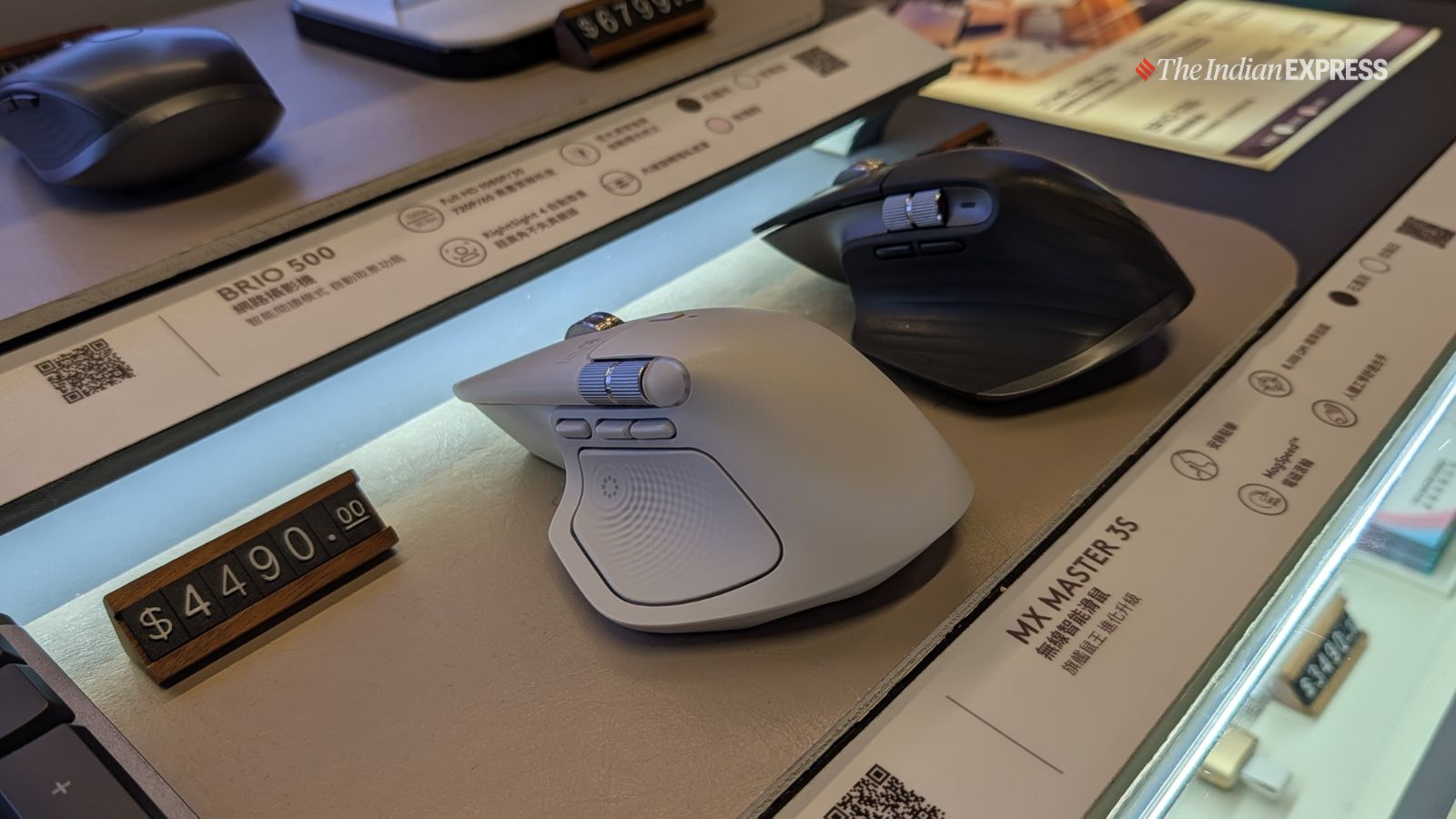 Logitech aims to target professional users with its MX series. (Image: The Indian Express/ Anuj Bhatia)
Polyanker noted that the company closely studies user behaviour and the evolution of computing, using those insights to design new product features. For instance, hyper-fast scrolling was introduced as users began working with longer documents and websites, while multi-device connectivity was developed when connecting mice and keyboards to two or more devices became essential for people who constantly switch between two or three different devices.
For the MX Master 4, Logitech has developed the Action Ring, a contextual, customisable digital overlay with eight programmable buttons that not only provide fast access to system controls but also let users access creative functions in apps like Photoshop, Lightroom, and Premiere Pro.
This represents a gigantic shift for the mouse, which has largely remained the same in terms of functionality, even though its shape and ergonomics have evolved over the years. With the MX Master 4, Logitech now adds a haptic motor that delivers phone-like vibrations on the desktop, similar to the feedback of a modern laptop trackpad or the subtle vibrations of virtual buttons on a smartphone.
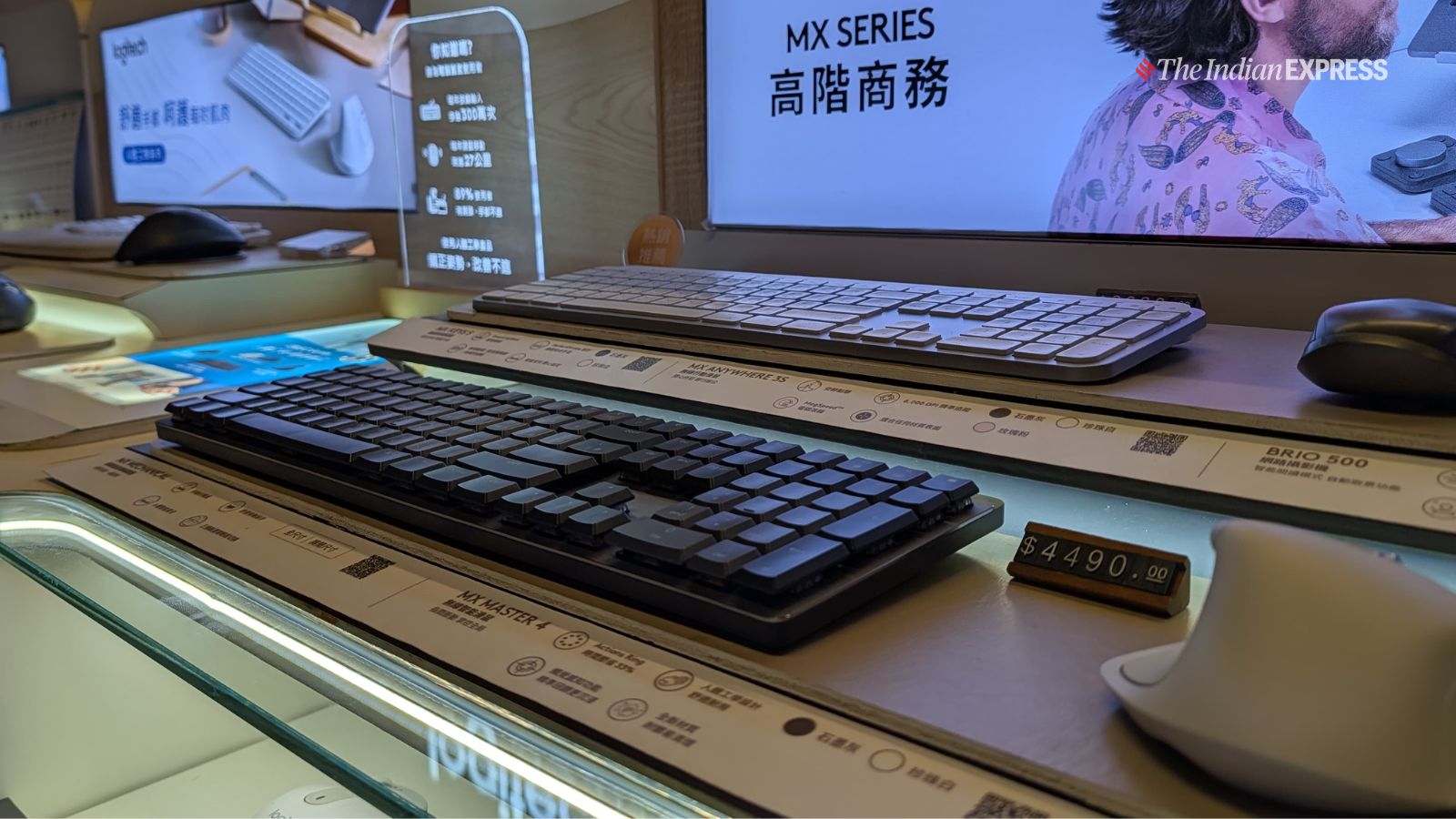 Logitech offers a full range under the MX series. (Image: The Indian Express/ Anuj Bhatia)
“We have conducted studies in which we asked people to perform the same task in Photoshop before and after using the Action Ring. What we found was a 67 per cent reduction in mouse movements across the screen. The Action Ring brings key tools closer to where you are working, reducing the need to move across the screen. With 67 per cent fewer movements, users saved up to 33 per cent of their time. It’s quite a game-changing experience, and we have received a lot of positive feedback from users,” he said.
Story continues below this ad
‘Desirability, durability, and sustainability’
Polyanker said Logitech follows a rigid product development process that begins with studying how user workflows evolve, followed by extensive hardware and software prototyping and testing. Only after refining the experience through pilot builds and final validation does the company move forward with launching the product in the market.
“We have a dedicated team responsible for colour, materials, and finishes. When you are working on a premium mouse like the MX Master 4, everything needs to come together. You need a product that looks beautiful on your desk and is durable enough to last,” he said.
“When people buy a product priced between Rs 12,000 and Rs 16,000, they expect it to work reliably for many years. We also give equal importance to sustainability. Our colour, materials, and finishes team focuses on balancing three things: desirability, durability, and sustainability,” he said about the role of Logitech’s colour material team.
While Polyanker’s team focus on advanced users dedicated to the MX range, Logitech as a whole has multiple teams that work on their respective domains and target groups.
Story continues below this ad
“Our teams are structured around different user groups. For example, my team focuses on advanced users. Another team focuses on younger, more lifestyle-oriented users who want different designs and accessories that reflect their personal style. We also have a team dedicated to ergonomic devices, aimed at people who prioritise comfort or experience pain while working and need better solutions. There’s another team focused on mobile solutions for people who work on the go. So I wouldn’t say we focus on just one category – we serve multiple target audiences.”
Polyanker pointed out that Logitech is a “design” company at its core.
Logitech primarily targets the MX lineup at advanced users — software developers, creative professionals, data analysts, engineers, and architects — who regularly handle complex, high-intensity tasks.
In India, the world’s most populous country, Logitech is focusing on premium products tailored for coders, developers and creative professionals. By tapping a large pool of developers and potential use cases, Logitech has launched an SDK on GitHub University to help Indian developers create custom experiences for MX devices.
Story continues below this ad
‘Future will be about personalisation and customisation’
The Swiss company is adopting several aspects of smartphone design and bringing them to its high-end wireless mouse. Polyanker did not shy away from admitting that the MX Master 4 packs a lot of technology inside. The company has worked with smoother materials, added haptic feedback, and introduced a repair-friendly design. The MX Master 4 is designed to be disassembled using exposed screws and features a battery that can be replaced at home with clear instructions.
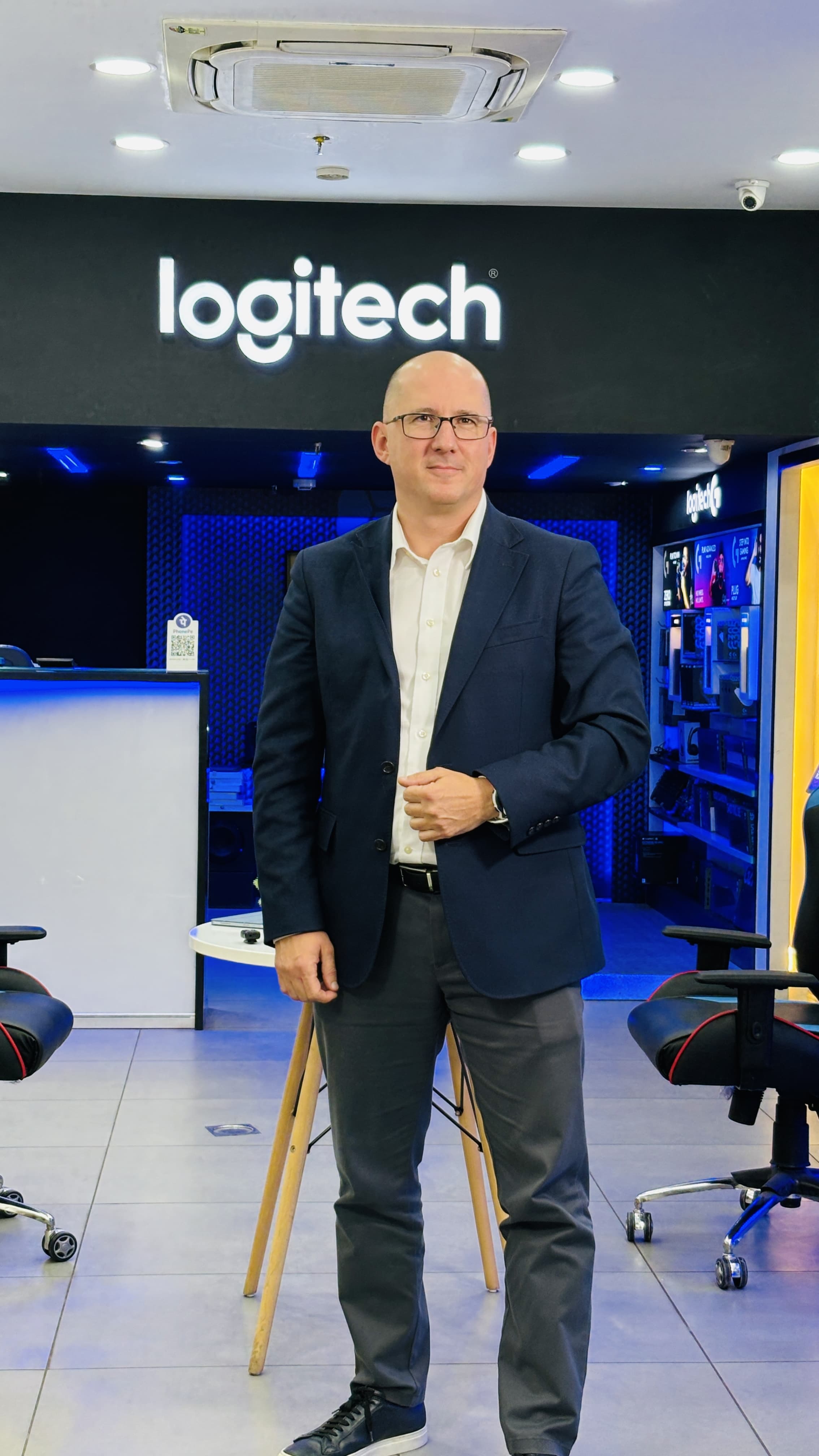 Anatoliy Polyanker, Vice President & Head of Logitech MX Series. (Image credit: Logitech)
However, it is the software that truly sets the MX Master 4 apart. While the mouse’s basic functionality works without any additional software, features such as the Action Ring, Smart Actions, AI tools, and advanced haptic feedback require the free Logi Options+ app for macOS and Windows. This means the mouse improves over time and offers extensive customisation and optional tools, much like a smartphone.
Artificial intelligence is another area Polyanker is excited about. Logitech has already embraced AI across its product portfolio, though its approach is slightly different. For instance, its video cameras use intelligent framing to track speakers, while the latest MX Master 4 mouse allows users to access ChatGPT or Microsoft Copilot directly via a side button.
“Inside the company, we are very active when it comes to implementing different AI tools,” he said. “Our products are already starting to leverage AI-driven experiences.”
Story continues below this ad
“We envision AI playing a key role in customising the experience. The future will be about personalisation and customisation. How AI can tailor the experience based on a user’s workflow and habits.”