How to Get Your Protein Fix the Desi Way
4 min readNew DelhiMay 8, 2026 03:00 PM IST
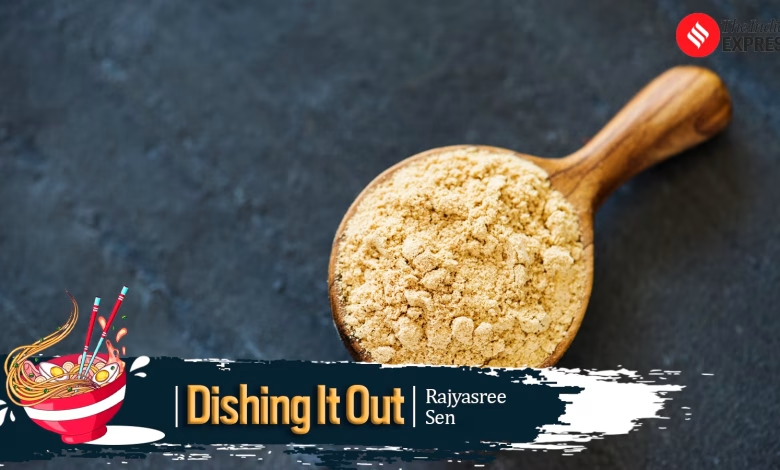
Way before the gym bros, new-age vegans, and people losing muscle because of their love for Ozempic had discovered protein powder and whey, most of rural India had a natural protein substitute – sattu powder. Sattu powder is made by grinding roasted chickpeas or Bengal gram and is part of the cuisine in many parts of India.
All I hear around me is the cacophony of people adding ‘protein’ to their meals – they add it to their coffee, to shakes in the morning, even to their cakes. Processed protein powder, I have been told, is absolutely healthy, but for the life of me, I cannot understand how anything processed and made in a factory as a supplement can be good for your body. Why aren’t at least the meat-eaters eating normal protein in their meals? And if they must eat a protein substitute, why not opt for a natural one like sattu?

Sattu flour is loaded with plant-based protein. It’s rich in fibre, calcium, iron, manganese, and magnesium. It’s also a cooling agent that naturally brings down your body temperature. I remember my mother carrying a flask of sattu made into a shake when going to play golf in the afternoon, while also claiming it was delicious. It is not.
Sattu is essentially roasted Bengal gram or chickpea flour, ground to a powder. It’s also a staple in Bihar, Jharkhand, West Bengal, Uttar Pradesh, Rajasthan, and Madhya Pradesh – and usually consumed by labourers and farmers given its cooling properties.
For vegans and vegetarians who keep overplaying how healthy a vegetarian or vegan diet is, but keep consuming protein powder by the kilo, here’s a small nugget of information: many people in India are protein-deficient, and this is because their meals are not balanced. Sattu’s nutritional value is quite impressive – 100 grams of sattu contains about 20 grams of protein and 65 grams of carbohydrates. It’s also a completely plant-based protein source, so the vegan bros can eat it happily.
It’s a very common sight in Kolkata to see people clustered around roadside stalls or carts with large stainless steel urns covered in red cloth. The vendor will be dishing out glasses of a yellow liquid to the crowds – this is sattu ka sharbat. The original protein shake.
Great for gut health
The other benefit of sattu is that it curbs hunger pangs and keeps you energised for hours. A simple enough sharbat, all you have to do is mix sattu in water and spice it up with roasted cumin, some chopped mint leaves, a pinch of chilli powder or black pepper, and salt.
Story continues below this ad
It’s also great for gut health, can keep constipation at bay, and helps with smooth bowel movements. It helps fight acidity, inflammation, and indigestion. And the low glycemic index (GI) makes it ideal for Type 2 diabetics.
While I may not be a fan of sattu and protein shakes — both trending on Google Search for over 24 hours — I would say if you’re opting for the latter, maybe it’s better to try a more organic homegrown option. You can even dress up the flavours and give it a posh makeover by making a sattu shake by blending sattu powder with roasted oats powder, almond milk, and add a bit of honey and chia seeds. Or keep it desi and have sattu paratha – just mix sattu with onions, cumin, salt, and a bit of chili, stuff this mixture into dough made from atta, and then roast the paratha. As they say – taste bhi, health bhi. And don’t be a protein shake bro, be a sattu powder bro.
Next week, I’ll be writing on India’s favourite sharbats and cooling drinks to beat the Indian summer.