
What people should look for on a protein powder label before buying it for the first time
4 min readNew DelhiMay 21, 2026 09:00 PM IST
Protein powder has increasingly become a part of everyday fitness and wellness routines, not just among athletes and bodybuilders but also among people trying to improve their diet, build muscle, lose weight or meet their daily protein needs. However, many first-time users often begin taking protein supplements without fully understanding how much they actually need, which type suits them best, or how these powders interact with their overall diet and lifestyle.
One of the biggest misconceptions surrounding protein powder is that more protein automatically translates into better health or faster fitness results. In reality, factors such as age, activity level, digestion, hydration, existing medical conditions and total daily nutrition all influence how the body responds to protein supplementation. Consuming it incorrectly or excessively may lead to digestive discomfort, bloating or unrealistic expectations about weight loss and muscle gain.

DISCLAIMER: This article is based on information from the public domain and/or the experts we spoke to. Always consult your health practitioner before starting any routine.
Some of the most common mistakes first-time users make when starting protein powder
Kanikka Malhotra, Consultant Dietitian & Diabetes Educator, shares 4 common mistakes first-time users make when starting protein powder:
- One of the biggest mistakes beginners make is treating protein powder like a magic solution and consuming it on top of an already adequate diet. This leads to excess calorie intake, potential weight gain, and digestive discomfort, such as bloating or constipation.
- Another common error is skipping meals and replacing them entirely with shakes, which deprives the body of essential micronutrients, fibre, and healthy fats that only whole foods provide.
- Many first-timers also ignore serving sizes, doubling up scoops, thinking “more is better.” In reality, the body can utilise only roughly 25–40g of protein per sitting for muscle synthesis, and the rest is converted to energy or stored as fat.
- Finally, choosing a product with heavy artificial sweeteners or fillers often triggers gut sensitivity, causing cramps or bloating. Start with one scoop, pair it with whole foods, stay hydrated, and give your body at least two weeks to adjust before judging results.
How can beginners realistically determine whether they actually need supplementation?
Malhotra suggests, “Before reaching for a supplement, ask yourself one honest question: ‘Am I consistently eating protein-rich meals three times a day?’ If your plate regularly includes eggs, lentils, paneer, chicken, fish, Greek yoghurt, or legumes, chances are your protein needs are already being met through food. The average sedentary adult needs roughly 0.8g-1g of protein per kilogram of body weight daily. Even active individuals lifting weights need only 1.5–2g per kg, an amount achievable through a balanced Indian or whole-food diet without supplementation.”
Consult a qualified dietician before beginning. A basic diet recall assessment often reveals you are far closer to your protein target than you think.
What people should look for on a protein powder label before buying it for the first time
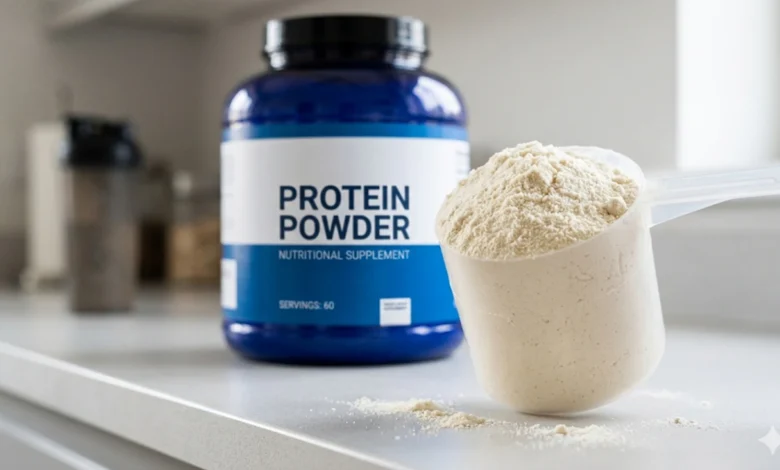
Malhotra explains that reading a protein powder label carefully can save you from wasted money and unnecessary health risks. “Protein source comes first. Whey concentrate is affordable but harder on lactose-sensitive stomachs. Whey isolate is purer and easier to digest. Plant-based options like pea or rice protein suit vegans, but check for a complete amino acid profile. Next, check protein per serving. Aim for at least 20–25g of protein per scoop with minimal protein spiking from cheap amino acids like taurine or glycine listed high on the ingredient list.”
Story continues below this ad
“Watch out for added sugars. Many flavoured powders contain 8–15g of added sugar per serving. Look for under 3–5g ideally. Avoid artificial additives such as artificial colours, excessive preservatives, or undisclosed proprietary blends. Finally, look for third-party testing certifications like NSF Certified, FSSAI Certified or Labdoor tested. These confirm what is on the label is actually in the product, which is critical for both safety and effectiveness,” concludes the expert.
DISCLAIMER: This article is based on information from the public domain and/or the experts we spoke to. Always consult your health practitioner before starting any routine.