
One tablespoon rice, high protein meals and intense workout routine

4 min readNew DelhiMay 26, 2026 01:59 PM IST
Salman Khan, 60, who recently shared a glimpse of his chiselled physique, has now opened up about his meals, saying he completes his protein intake with a tablespoon of rice. “Every day is a cheat day for me. I’d rather spend that extra 20 minutes in the gym or the extra one hour in the gym, but I’ll eat what I’ll eat. I don’t do steamed,” he told Variety India on their YouTube channel.
The Sultan actor continued, “The amount of protein that I need to eat, I just eat…no matter how tasty the food is…I will take one tablespoon of rice. I don’t touch rotis. That’s it. And then whatever protein I need, I try to finish it with that one tablespoon of rice.”

DISCLAIMER: This article is based on information from the public domain and/or the experts we spoke to. Always consult your health practitioner before starting any routine.
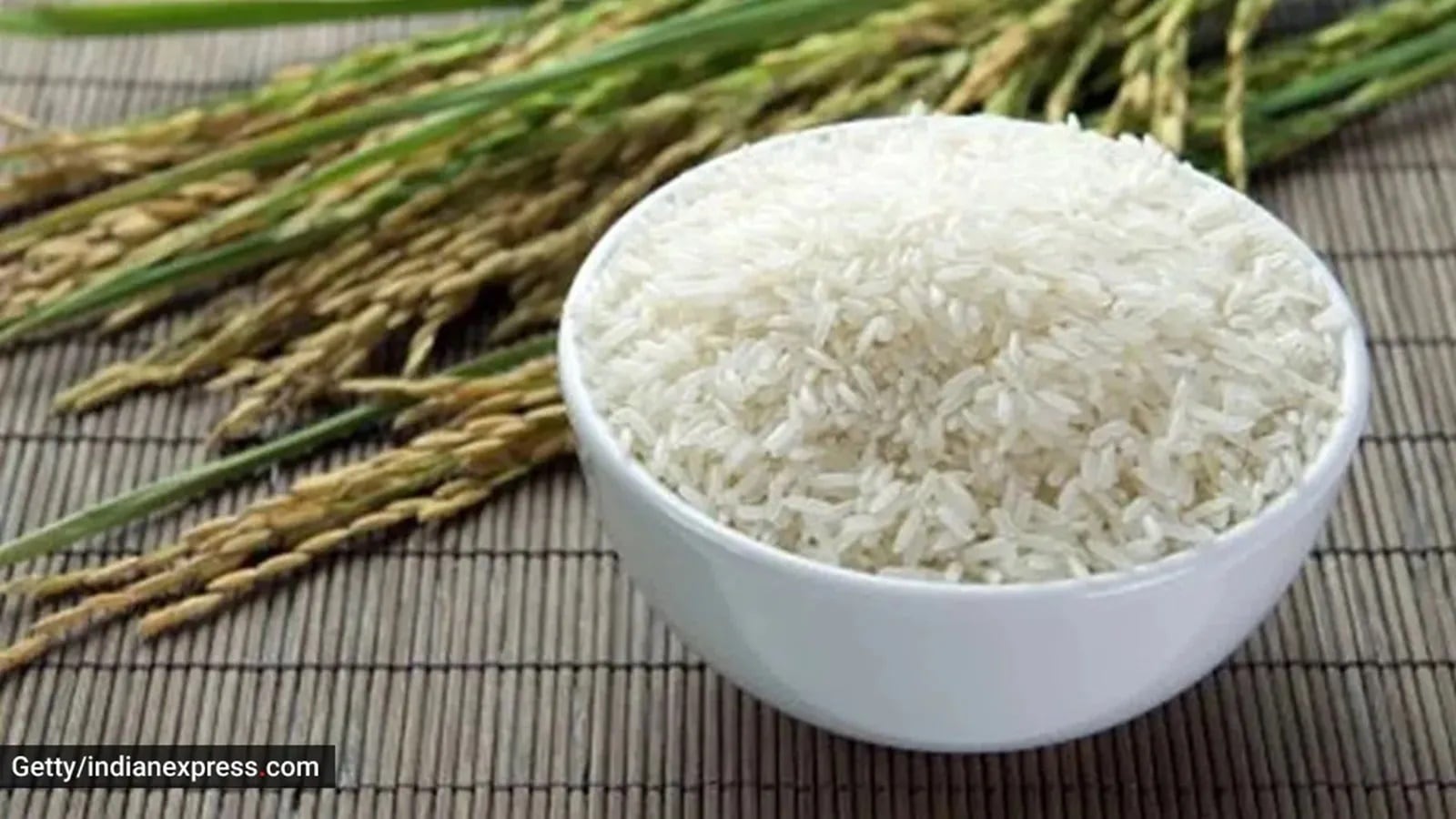 Salman Khan says he eats some rice (Photo: Getty Images/Thinkstock)
Salman Khan’s statement reflects a reality many fitness-conscious people relate to: sustainability matters more than strict dieting. What stands out is not the cheat meal confession but the portion control and protein-rich eating pattern that he described. “Limiting refined carbohydrates, like large portions of rice or rotis, while focusing on protein can help with fullness, blood sugar stability, and muscle maintenance, especially for active individuals,” said Dr Vijay Negalur, HoD diabetology, KIMS Hospitals, Thane.
However, what works for a highly active celebrity with intense workout routines may not directly apply to the average person with a sedentary lifestyle, stress, poor sleep, or metabolic issues, he contended.
Is cutting carbs entirely a healthy strategy?
Carbohydrates are often misunderstood. The body still needs good-quality carbs for energy, gut health, and hormonal balance. “The issue usually lies in the excess quantity and poor-quality carbs—refined flour, sugary foods, oversized portions, and frequent snacking. For people at risk of diabetes or insulin resistance, reducing carb intake can improve glucose control, but eliminating carbs is rarely necessary. In Indian diets, especially, balance is more practical than restriction. Smaller portions of rice or roti paired with protein, fibre, and healthy fats usually work better long-term than complete avoidance,” said Dr Negalur.
Can exercise offset indulgences to some extent?
Physical activity does improve insulin sensitivity and helps the body use glucose more effectively. However, there is a common misconception today that intense workouts can completely “cancel out” unhealthy eating patterns. “Nutrition and exercise work together; one cannot fully take the place of the other,” said Dr Negalur.
Story continues below this ad
What to note?
The biggest lesson is consistency, not perfection. “Sustainable eating habits, enough protein, portion awareness, regular movement, and enjoying food without guilt are much healthier than constantly cycling between crash diets and binge eating. Celebrity routines can inspire people, but they should not serve as a template without considering individual health needs, age, activity level, and metabolic profile.”
DISCLAIMER: This article is based on information from the public domain and/or the experts we spoke to. Always consult your health practitioner before starting any routine.