
Your Table Salt May Contain Microplastics, Experts Warn

Does table salt contain microplastics? If dietitian Ujjwala Baxi is to be believed, even if you have stopped using plastic bottles, microplastics are still reaching your plate in the “most disguised and unavoidable form — table salt”.
DISCLAIMER: This article is based on information from the public domain and/or the experts we spoke to. Always consult your health practitioner before starting any routine.
“Yes, you heard it right! Your salt does have microplastics,” Baxi said in a post on X.
According to her, you can’t eliminate microplastics from salt, but you can reduce your exposure in smart ways. Here’s what actually works (and what doesn’t):
What works?
Choose refined or vacuum-evaporated salt
These go through more processing and filtration
Tend to have lower microplastic content than raw sea salt
Limit raw sea salt/gourmet salts
Himalayan, sea salt, pink salts = often less processed
Can carry more environmental contaminants, including microplastics
Use a clean storage system
Store salt in glass or steel containers
Avoid plastic jars that may add secondary contamination
Diversify your sources
Don’t rely heavily on one type of salt
Rotate between iodised refined salt and other sources
What doesn’t work?
Washing salt: it dissolves, so you can’t “clean” it
“Organic” labels: don’t guarantee absence of microplastics
Expensive salts? (price and purity)
Baxi added that salt contributes only a small fraction of your total microplastic exposure. “Bigger sources are drinking water (especially bottled), packaged foods, and air (synthetic fibres, dust).”
To verify, we asked experts.
Story continues below this ad
Dietitian Garima Goyal said microplastics have been detected in table salt, including sea salt, Himalayan pink salt, and refined table salt. “Multiple studies from different countries have found tiny plastic particles in commercially available salts. These particles likely enter salt through environmental pollution of oceans, water sources, and during processing and packaging,” said Goyal.
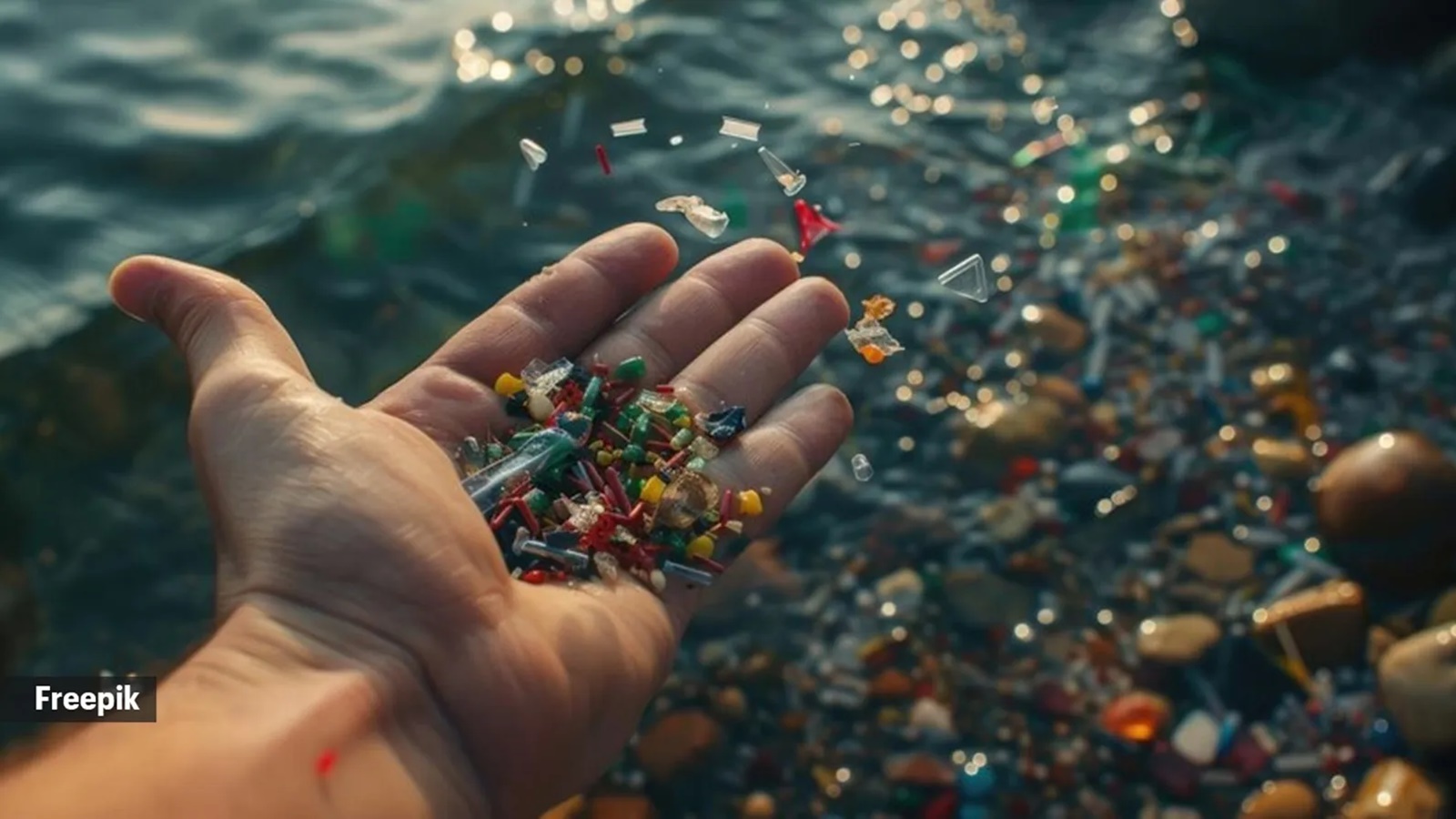 What should one note? (Photo: Freepik)
However, it’s important to keep this in perspective. “The amount of microplastics found in salt is generally small compared to other sources of exposure, such as bottled water, packaged foods, seafood, and even airborne dust and synthetic fibres,” noted Goyal.
Dr Aniket Mule, consultant, Internal Medicine, KIMS Hospitals, Thane, stressed that consumers should see this as an “environmental and public health issue, not a cause for panic”. “The amounts found are usually very small, and salt is just one of many ways people might encounter microplastics in their daily lives,” said Dr Mule.
Dr Mule said unrefined sea salts may hold relatively higher levels because they come directly from seawater, which is already polluted with plastic particles. “Refined or vacuum-evaporated salts generally go through extra processing and filtering, which can decrease contamination levels. However, the exact amount can change based on the source, manufacturing method, and quality controls,” Dr Mule added.
Story continues below this ad
The reality is that microplastics have become widespread in our environment, and table salt is just one small piece of the puzzle, said Goyal.
Even if you have stopped using plastic bottles, #microplastic is still reaching your plate in the most disguised and unavoidable form?#Tablesalt!
Yes you heard it right! Your salt does have microplasticsWhat can you do to reduce it?
You can’t completely eliminate… pic.twitter.com/UBAWmXPOwq— Dietitian Ujjwala (@ujjwalabaxi) June 18, 2026
Zamurrud Patel, chief dietitian, Gleneagles Hospital, Parel, said that ensue to focus on reducing overall plastic exposure by limiting the use of single-use plastics, avoiding heating food in plastic containers, and choosing glass or stainless-steel alternatives when possible. “Opt for a balanced diet and don’t become overly concerned about trace amounts of microplastics in foods such as salt,” said Patel.
Dr Mule also noted that there is “no current advice to avoid different types of salt completely”. “The focus should be on moderation, variety, and selecting trusted brands. More importantly, consumers should ensure they are getting enough iodine since iodine deficiency is a more pressing health issue than the small amounts of microplastics that might be in salt,” said Dr Mule.


